2025 Top Power Monitors: Essential Tools for Energy Efficiency and Management
As we move towards a more energy-conscious future, the importance of effective energy management continues to rise. According to the International Energy Agency (IEA), global electricity demand is projected to increase by 30% by 2040, further underscoring the need for efficient energy usage and monitoring. Power monitors have emerged as essential tools for both businesses and households aiming to optimize their energy consumption and minimize costs. In fact, a recent report by Grand View Research states that the global market for power monitoring equipment is expected to reach approximately $7 billion by 2025, reflecting the growing recognition of energy efficiency as a critical component of sustainable practices.
In this context, the year 2025 presents unique opportunities for advancements in power monitoring technology. With innovations in smart grid systems and the integration of the Internet of Things (IoT), power monitors are evolving to provide real-time data analytics, enabling users to make informed decisions regarding their energy use. A well-implemented power monitoring solution can lead to reductions in energy waste by up to 25%, as highlighted by a study from the U.S. Department of Energy. As we explore the top five power monitors for 2025, it is essential to recognize these devices not only as tools for tracking energy consumption but as pivotal instruments in the journey towards enhanced energy efficiency and sustainability.
The Future of Energy Monitoring: Key Features to Look for in Power Monitors
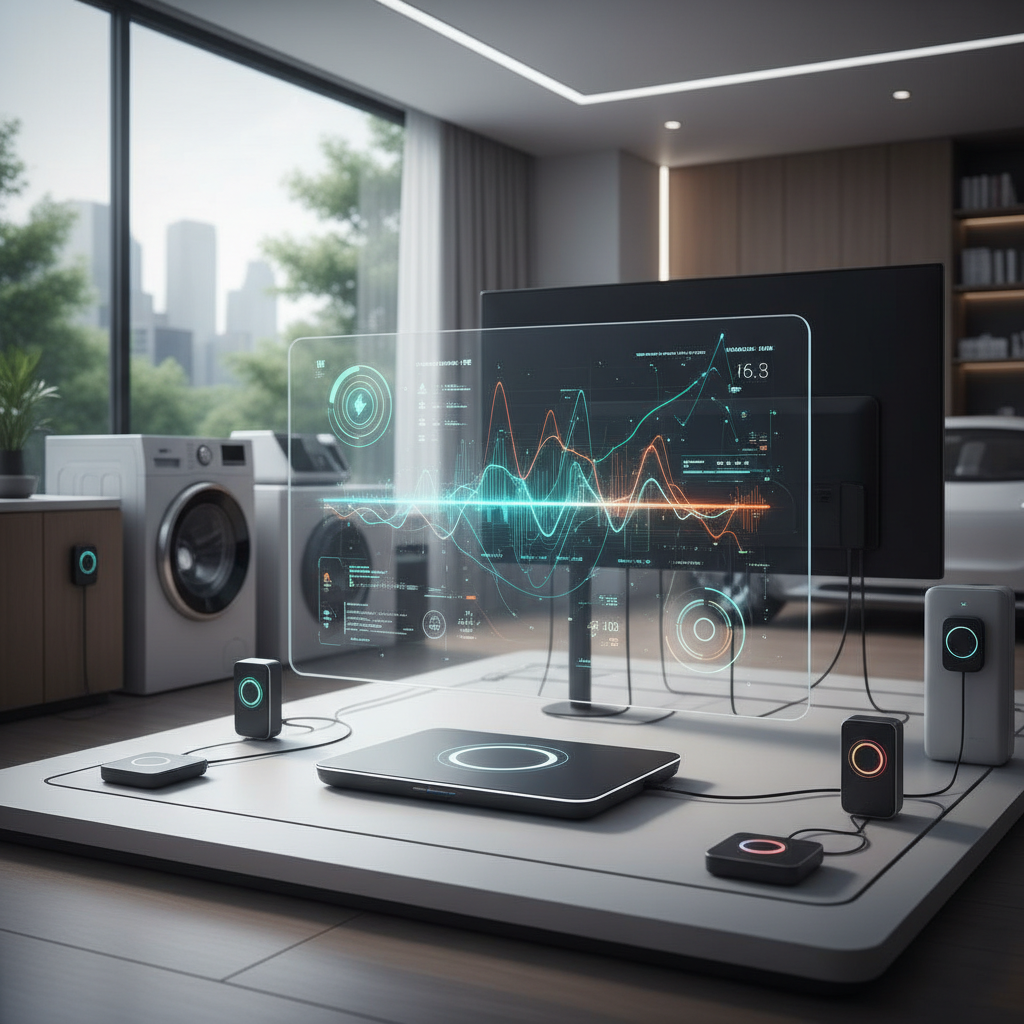
When considering the future of energy monitoring, selecting power monitors equipped with advanced features is crucial for effective energy management. One of the key aspects to look for is real-time data tracking, which allows users to monitor energy consumption as it happens. This capability not only provides immediate insights into usage patterns but also helps in identifying peak consumption times. Furthermore, integration with smart home systems can enhance user experience and tracking, enabling automated adjustments to minimize waste.
Another essential feature is energy analytics, which empowers users with detailed reports and trends over time. With sophisticated algorithms, these monitors can analyze consumption data and provide actionable insights for improving efficiency. Additionally, look for predictive capabilities that help forecast energy needs based on historical usage, allowing for better planning and reduced costs. User-friendly interfaces and mobile app connectivity are also significant, ensuring that monitoring and managing energy use are accessible anytime and anywhere.
2025 Top Power Monitors: Essential Tools for Energy Efficiency and Management
| Feature |
Description |
Importance |
Expected Price (USD) |
| Real-Time Monitoring |
Allows users to track energy usage instantaneously. |
High |
150 |
| Data Analytics |
Provides insights and trends based on historical data. |
Medium |
200 |
| IoT Connectivity |
Integrates with smart home systems for better control. |
High |
250 |
| User-Friendly Interface |
Simplifies data interpretation and monitoring tasks. |
Medium |
100 |
| Alerts and Notifications |
Sends alerts for unusual energy consumption patterns. |
High |
180 |
| Mobile App Access |
Allows monitoring from anywhere using a smartphone app. |
Medium |
120 |
| Historical Data Tracking |
Stores historical data for long-term analysis. |
Medium |
150 |
Integrating Smart Technology: How Digital Power Monitors Enhance Energy Management
The integration of smart technology in energy management has revolutionized the way we approach power consumption and efficiency. Digital power monitors serve as essential tools that enhance our ability to track energy use in real time, significantly optimizing resource allocation. As the demand for intelligent energy solutions skyrockets, innovations like AI and big data platforms are becoming the backbone of modern energy management systems. They allow industries to analyze vast amounts of energy data, facilitating more informed decisions and promoting sustainability.
With applications ranging from intelligent grids to carbon tracking, advanced technologies are reshaping the future of the energy sector. The rise of renewable energy sources and the increasing complexity of energy demands necessitate a transition to smart systems that can adapt and respond dynamically. By implementing digital power monitors, organizations can better leverage these technologies, harnessing the power of data to drive efficiency and reduce waste. This trend underscores the pivotal role smart technology plays in building a sustainable future for energy management.
Top Power Monitor Brands to Watch in 2025: Comparison and Analysis
As we approach 2025, the landscape of power monitors is evolving rapidly, making it essential to identify the top brands and models that will dominate the market. By focusing on energy efficiency and management, these tools empower both consumers and businesses to monitor their energy usage more effectively. Brands that incorporate advanced technology in their products will likely lead in terms of accuracy and usability.
Tips for selecting the right power monitor include evaluating the features that best suit your needs, such as real-time monitoring, user-friendly apps, and compatibility with smart home systems. Additionally, consider models that offer detailed analytics since these insights can help you make informed decisions about your energy consumption.
Another critical factor is the energy-saving potential of the devices. Look for monitors designed with sustainability in mind, as they can aid in identifying high-energy usage patterns which can lead to cost savings over time. Understanding brand reputation and user reviews is also vital when choosing the right power monitor for your home or business, ensuring you invest in reliable equipment that meets your efficiency goals.
2025 Top Power Monitors: Energy Efficiency Comparison
User-Friendly Interfaces: The Importance of Usability in Energy Monitoring Tools
In today's world, effective energy management is crucial for both businesses and individuals seeking to reduce their carbon footprint and save on utility costs. The usability of energy monitoring tools plays a pivotal role in achieving these goals. A user-friendly interface ensures that users can easily navigate the software and access key information without overwhelming technical jargon. This simplicity encourages more individuals to engage with their energy data, leading to better-informed decisions about consumption patterns and potential savings.
Moreover, intuitive design elements such as dashboards that visualize energy usage trends and anomalies can significantly enhance user experience. By presenting complex data in a simplified manner, these interfaces help users quickly identify areas where energy efficiency can be improved. Features like customizable alerts and easy-to-read graphs empower users to take proactive steps in energy management, transforming data into actionable insights. Ultimately, prioritizing usability in energy monitoring tools not only fosters user engagement but also drives a culture of energy conservation and sustainability.
Cost-Effective Solutions: The Long-Term Savings of Investing in Modern Power Monitors
As energy efficiency becomes increasingly crucial in various sectors, investing in modern power monitors is emerging as a cost-effective solution. These advanced monitoring tools not only offer real-time data tracking but also provide actionable insights that can lead to significant long-term savings. For instance, shopping malls in the Asia-Pacific region, which are known for their high energy consumption due to extensive facilities and high foot traffic, can benefit immensely from implementing sophisticated power monitoring systems. By identifying energy usage patterns and optimizing operations, these malls can reduce costs while enhancing sustainability.
Moreover, retrofitting existing infrastructures with modern power monitoring technology supports a transition towards renewable energy sources, fostering resilience against rising energy demands. These systems enable precise control over energy use, which is particularly essential for integrated spaces that combine retail, office, and residential areas. Additionally, as entities strive to meet clean energy targets, the ability to monitor and manage energy consumption efficiently will play a central role in achieving their environmental goals. Investing in modern power monitors not only helps in reducing the carbon footprint but also positions businesses favorably for future energy challenges.