Top 10 Benefits of Fuel Tank Monitoring Systems for Efficient Fuel Management
In today’s rapidly evolving energy landscape, efficient fuel management has become increasingly critical for businesses seeking to optimize their operations and minimize costs. A fuel tank monitoring system serves as a pivotal solution that allows organizations to gain real-time insights into their fuel consumption, reduce wastage, and enhance overall operational efficiency. According to a report by Grand View Research, the global fuel management market is projected to reach USD 3.7 billion by 2025, underscoring the growing demand for advanced monitoring solutions in the sector.
The implementation of a fuel tank monitoring system offers a range of significant benefits that directly impact a company’s bottom line. For instance, it enables accurate tracking of fuel levels, ensuring that businesses avoid costly fuel shortages and overstock situations. Furthermore, data analytics derived from these systems can lead to informed decision-making, helping organizations streamline their fuel procurement strategies. As the industry increasingly emphasizes sustainability and cost-efficiency, the adoption of fuel tank monitoring systems will be essential in achieving these goals while adhering to environmental regulations.
With the advent of IoT technology, fuel tank monitoring systems have become more sophisticated, providing features such as remote monitoring and alarm notifications. These advancements not only help in proactively managing fuel assets but also play a crucial role in minimizing the risk of fuel theft and leaks, which can pose serious financial and environmental repercussions. As we explore the top ten benefits of these systems, it becomes evident that investing in fuel tank monitoring is not merely a technological upgrade, but a strategic decision that can propel businesses toward greater efficiency and sustainability.

Overview of Fuel Tank Monitoring Systems
Fuel tank monitoring systems are advanced tools designed to enhance fuel management efficiency by providing real-time data on fuel levels, usage patterns, and tank conditions. These systems typically utilize sensor technology that continuously monitors fuel levels, detecting any changes that may indicate leaks or theft. By integrating monitoring systems with automated alerts and reporting tools, facility managers can make informed decisions that optimize fuel consumption and reduce operational costs.
Tips: To maximize the effectiveness of a fuel tank monitoring system, regularly calibrate sensors to ensure accurate readings. Additionally, consider setting threshold alerts that notify you when fuel levels fall below a certain point, preventing costly downtime.
Implementing a fuel tank monitoring system also aids in compliance with environmental regulations by tracking fuel quantity and usage. This transparency makes it easier for organizations to identify and address potential issues, such as leaks or inventory discrepancies. By streamlining fuel management processes, companies can not only improve profitability but also promote sustainability through reduced waste and cleaner operations.
Tips: Establish routine maintenance schedules for your monitoring systems to ensure they function properly over time. Also, train your staff on how to interpret the data from monitoring systems, so they are equipped to respond swiftly to any anomalies.
Enhancing Fuel Efficiency through Real-Time Data
Fuel tank monitoring systems are revolutionizing the way businesses manage their fuel resources, providing real-time data that enhances fuel efficiency. With continuous monitoring, companies can quickly identify fuel usage trends and eliminate wasteful practices. This immediate access to data allows for better decision-making, optimizing fuel purchases and reducing unnecessary expenditures. By keeping tabs on fuel levels and consumption rates, organizations can align their operations more closely with demand, thereby minimizing costs and maximizing efficiency.
Tips: Implement regular training for staff on how to interpret and utilize the data provided by fuel monitoring systems. Empowering your team with the knowledge to make data-driven decisions can lead to substantial improvements in fuel management practices.
Moreover, real-time monitoring significantly reduces the risk of fuel theft and leakages. By receiving instant alerts about unexpected changes in fuel levels, companies can swiftly respond to potential issues before they escalate. This proactive approach not only safeguards fuel assets but also promotes environmental responsibility by preventing spills and other harmful incidents.
Tips: Schedule routine maintenance checks for your monitoring systems to ensure ongoing accuracy and reliability. A well-maintained system can help sustain optimal performance and provide consistent data that drives efficient fuel management decisions.
Minimizing Fuel Theft and Loss with Monitoring Solutions
Fuel theft and loss can severely impact the operational efficiency of any business that relies on fuel for its activities. Implementing a fuel tank monitoring system is an effective strategy to mitigate these risks. These systems provide real-time data on fuel usage, tank levels, and potential discrepancies, enabling businesses to quickly identify irregularities that could indicate theft or loss. By continuously monitoring fuel levels, companies can detect unauthorized access or abnormal consumption patterns, ensuring that any theft is addressed promptly.
Moreover, modern fuel monitoring solutions often come equipped with advanced security features, such as alerts and notifications that inform managers of suspicious activities. This not only helps in preventing theft but also promotes accountability among employees by ensuring they are aware of the monitoring system in place. The result is a significant reduction in fuel-related losses, which contributes to overall savings and improved resource management. By leveraging these technologies, organizations can create a more secure fuel supply chain, enhancing their operational efficiency and protecting their assets.
Top 10 Benefits of Fuel Tank Monitoring Systems for Efficient Fuel Management
This chart illustrates the key benefits of implementing fuel tank monitoring systems, highlighting how these solutions can contribute to minimizing fuel theft, enhancing operational efficiency, and reducing costs.
Improving Compliance and Safety Standards in Fuel Management
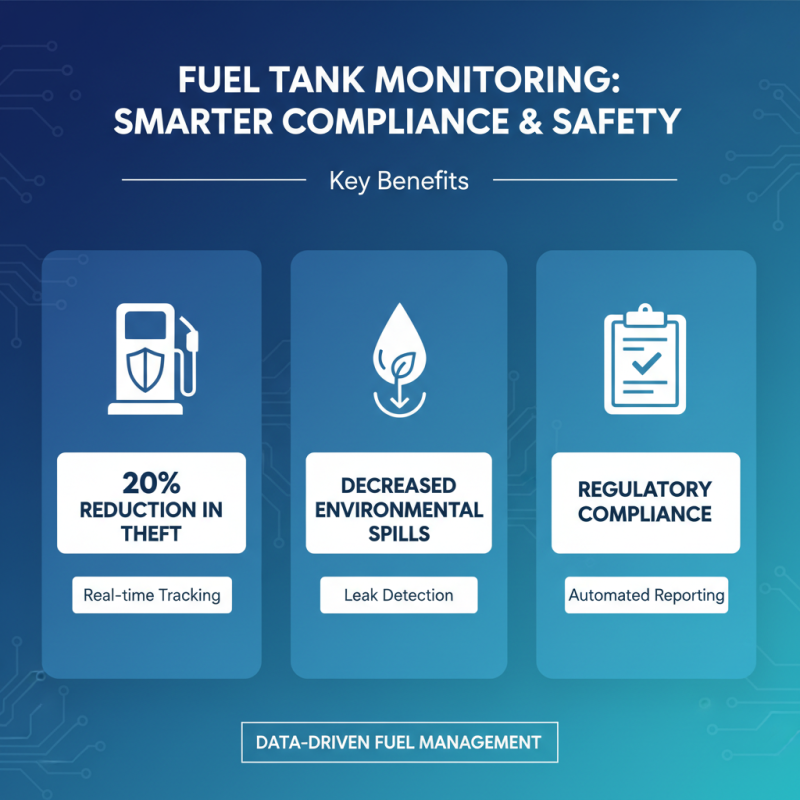
Fuel tank monitoring systems play a crucial role in enhancing compliance and safety standards within fuel management. With advancements in technology, organizations can now utilize real-time data analytics to monitor fuel levels, track consumption patterns, and detect anomalies. According to a report by the Fuel Management Solutions Institute, companies utilizing these monitoring systems have reported a 20% reduction in fuel theft incidents and a significant decrease in environmental spills. By ensuring consistent surveillance of fuel tanks, businesses can maintain compliance with environmental regulations, thereby mitigating the risk of costly fines and legal repercussions.
Moreover, the integration of monitoring systems fosters a safer working environment by automating leak detection and providing immediate alerts. A recent study by the American Petroleum Institute found that organizations implementing these systems experienced a 30% reduction in workplace accidents related to fuel handling. This not only protects employees but also minimizes the risk of hazardous material exposure and environmental contamination. By adhering to strict safety protocols and leveraging technology, companies can significantly bolster their commitment to safety while optimizing fuel management processes.
Streamlining Maintenance and Reducing Operational Costs
Fuel tank monitoring systems have become essential tools for optimizing fuel management strategies in various industries. By providing real-time data on fuel levels, consumption rates, and environmental conditions, these systems play a pivotal role in streamlining maintenance processes.
According to a report from the American Petroleum Institute, companies that utilize automated fuel management solutions can reduce maintenance costs by up to 25%. This reduction is largely due to the predictive analytics capabilities of these systems, which help identify potential issues before they escalate into costly repairs.
Operational costs can also see a significant decrease with the implementation of fuel tank monitoring systems. The International Journal of Energy Economics and Policy notes that organizations can achieve savings of approximately 15-20% in fuel costs through improved monitoring and management. Enhanced visibility into fuel usage patterns allows businesses to detect anomalies, reduce fuel theft, and optimize refueling schedules.
These operational efficiencies not only lead to cost savings but also contribute to more sustainable practices, further solidifying the importance of these technologies in today's fuel management landscape.