Blog

10 Best Channel Magnets for Global Buyers

For global buyers, choosing the right Channel Magnets requires more than comparing prices and product photos. These components influence signal flow, assembly reliability, and long-term equipment performance. A suitable magnet must match the channel design, operating frequency, size limits, and expected environmental conditions.

This guide examines ten Channel Magnets selected for practical purchasing decisions. It considers magnetic strength, material quality, dimensional consistency, surface protection, and supplier documentation. Buyers will also find guidance on samples, batch testing, packaging, and communication with overseas manufacturers. Clear drawings matter. So do traceable inspection records.

Real sourcing experience shows that small details often create expensive problems. A magnet may fit the drawing but fail during heat exposure. Another may perform well in testing but arrive with weak protective packaging. For that reason, this overview values measurable specifications, stable production, and responsive technical support. It also encourages buyers to request certificates, tolerance data, and inspection results before placing large orders.

No single product suits every market or machine. Some recommendations may require closer verification for unusual temperatures, high-volume production, or specialized assemblies. That limitation deserves attention. Product availability and regional requirements can also change. Responsible buyers should confirm current specifications, shipping conditions, and applicable safety standards with qualified suppliers. The goal is not to promise a perfect choice, but to make comparison more disciplined, transparent, and useful.

10 Best Channel Magnets for Global Buyers

What Channel Magnets Are and How They Work

What Channel Magnets Are and How They Work

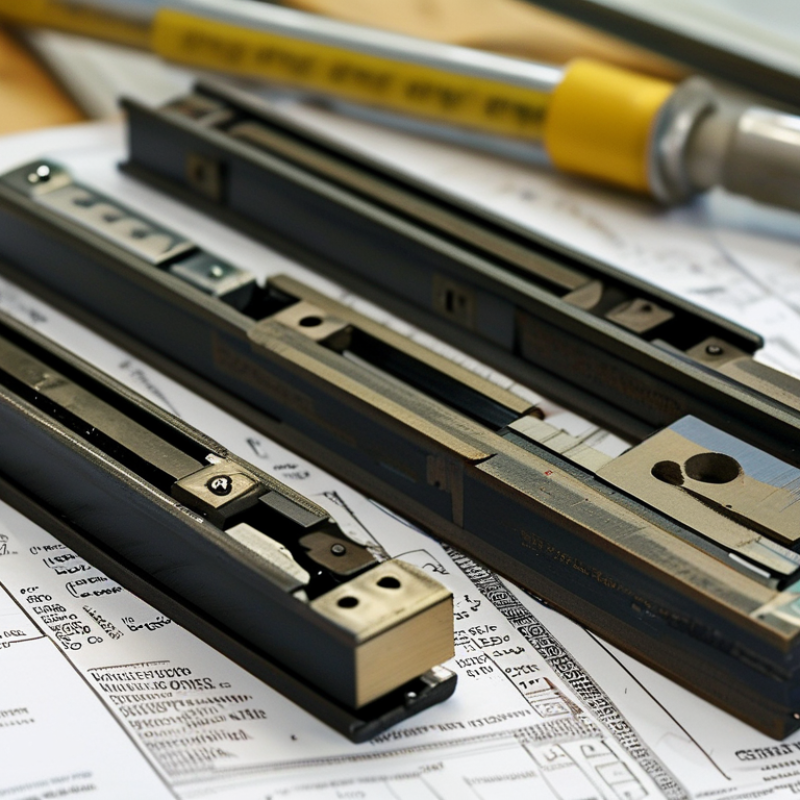
Channel magnets are compact magnetic assemblies fitted inside metal channels, signs, frames, panels, or display systems. Their magnetic core creates a field that attracts steel surfaces without drilling or permanent adhesive. A steel casing often directs the magnetic force toward one face. This improves contact and protects the magnet from chipping.

Most channel magnets use ferrite or neodymium material. Ferrite costs less and handles heat reasonably well. Neodymium offers stronger holding force in a smaller space, but it needs protective coating against corrosion. Holding force also changes with steel thickness, air gaps, paint, vibration, and pulling direction. A magnet rated for direct contact may perform poorly across a two-millimeter gap. That detail is easy to miss.

Industry data adds useful context. The U.S. Geological Survey reported approximately 350,000 metric tons of rare-earth oxide production worldwide in 2023. The International Energy Agency also reported that one country controlled about 90% of rare-earth refining for permanent magnets. Global buyers should therefore examine material origin, coating, tolerances, and supply continuity, not only price. Test samples under real loads. Laboratory ratings can feel optimistic.

Tips: Ask for pull-force test conditions. Check the steel grade and gap. Confirm temperature limits and corrosion testing. A small safety margin is wise, although choosing the strongest magnet is not always the best decision. Overpowered magnets can complicate installation and damage thin panels.

Key Types of Channel Magnets for Different Applications

Channel magnets are not one universal component. Their shape, core material, coating, and mounting method determine practical performance. For steel doors, display frames, and light fixtures, shallow neodymium channel magnets provide strong holding power in compact spaces. Ceramic channel magnets cost less and suit larger assemblies, cabinet latches, and indoor positioning tasks. They usually need more volume for similar force. Rubber-coated versions protect painted surfaces and reduce sliding. They work well on vehicle panels and adjustable signage.

Mounting details change the selection. Threaded-hole channel magnets accept screws and support repeated installation. Countersunk designs sit flush against panels, reducing interference with moving parts. Adhesive-backed channels simplify installation, but heat, dust, and surface oils can weaken the bond. Deep channels can direct magnetic force through a narrow contact area. Narrow profiles fit aluminum extrusions and small display tracks. For outdoor use, buyers should request corrosion-resistant coatings, sealed edges, and temperature data. A catalog pull-force figure is only a starting point.

In sourcing work, I have seen teams choose the strongest magnet available. That decision looked safe, but it increased cost and made alignment harder. A two-millimeter air gap can reduce holding force noticeably. Global buyers should confirm dimensions, tolerances, magnetization direction, coating thickness, and test conditions. Ask for inspection records and clear packaging details. Small errors matter. Check whether the quoted force reflects clean steel, full contact, and vertical loading. Real assemblies are rarely that perfect.

Essential Specifications Global Buyers Should Compare

10 Best Channel Magnets for Global Buyers

Essential Specifications Global Buyers Should Compare

Choosing channel magnets requires more than checking the listed holding force. Compare magnet grade, dimensions, shape, and magnetic orientation together. A longer channel may improve coverage, but it can also increase shipping costs. Ask for dimensional tolerances, not only nominal measurements. Small gaps can weaken performance during assembly.

Operating temperature deserves careful attention. Heat can reduce magnetic strength, especially in motors, fixtures, and industrial sensors. Review the coating material and thickness when products face humidity, salt air, or frequent handling. Common options include nickel-based, epoxy, or protective metal coatings. Each has different durability and cost considerations. Request corrosion-test data when possible.

Pull-force figures need context. Testing distance, steel thickness, surface condition, and test method can change the result significantly. A higher number is not automatically better. Compare measured data from the same method. Quality documentation should include inspection records, material information, batch consistency, and safety handling guidance. Packaging also matters; strong magnets need separation, shock protection, and clear labels during international transport. Lead time, minimum order quantity, and replacement support affect the real purchase cost. I have found that specification sheets can look complete while missing tolerance details. That gap deserves a direct question before approval.

International Quality, Safety, and Compliance Considerations

10 Best Channel Magnets for Global Buyers

International buyers should judge channel magnets beyond holding strength. The best ten options usually combine stable magnetic force, clean edges, corrosion resistance, and documented material content. Neodymium, ferrite, rubber-coated, stainless-steel, high-temperature, countersunk, adhesive-backed, screw-mounted, shallow-profile, and heavy-duty channels serve different applications. Fit matters more than impressive laboratory numbers.

Quality evidence should be specific. The ISO Survey 2023 recorded more than 1.26 million ISO 9001 certificates worldwide, showing the value of controlled production systems. However, certification alone does not prove every batch is consistent. Ask for lot inspection records, pull-force testing, dimensional tolerances, coating checks, and traceable packing labels. Request test methods, not only attractive claims.

Safety and compliance need equal attention. For European shipments, verify restrictions on hazardous substances and prepare technical documents supporting applicable RoHS requirements. Magnetic assemblies also need secure packaging, clear handling instructions, and transport reviews. UNCTAD’s Review of Maritime Transport reports that over 80% of global merchandise trade moves by sea, where humidity can damage exposed steel and weaken packaging. Use sealed bags, dry barriers, and impact protection. Small details matter. Some suppliers still provide incomplete declarations, and buyers sometimes accept them too quickly. A written compliance checklist, independent sampling, and pre-shipment inspection reduce that risk. Specifications can change by destination, so local regulatory review remains necessary.

10 Best Channel Magnets for Global Buyers - International Quality, Safety, and Compliance Considerations

Product categories are ranked by a balance of holding performance, environmental suitability, manufacturing practicality, and international purchasing requirements. Performance values are typical material or design characteristics; final results depend on dimensions, air gap, steel thickness, surface finish, and assembly.

Rank Channel Magnet Configuration Typical Magnetic Material Typical Strength and Design Advantages Typical Maximum Operating Temperature Corrosion and Surface Considerations International Quality, Safety, and Compliance Considerations Recommended Buyer Verification
1 High-Strength Neodymium Channel Magnet Sintered neodymium–iron–boron (NdFeB), commonly grades N35–N52 Very high magnetic energy density in a compact channel. Suitable where a strong holding force is required from a small footprint. Common standard grades: approximately 80°C; high-temperature grades can be specified above this range. NdFeB is vulnerable to oxidation. Nickel-based, epoxy, zinc, or other specified coatings may be used; coating damage can expose the magnet. Confirm RoHS and REACH status, restricted-substance declarations, magnetized-parts packaging, pinch-point warnings, and transport documentation where applicable. Request pull-force data at a defined air gap, coating specification, temperature coefficient, dimensional tolerances, and batch test records.
2 Rubber-Covered Neodymium Channel Magnet NdFeB magnet assembly with molded or bonded rubber protection High holding force with improved surface protection and reduced sliding on painted, coated, or delicate steel surfaces. Often approximately 60–80°C, depending on magnet grade, rubber compound, adhesive, and molding process. Rubber can reduce direct exposure to moisture and scratching, but seams, cuts, and bonding interfaces require inspection. Verify rubber material restrictions, odor and emissions requirements for the destination market, RoHS/REACH documentation, and product safety labeling. Check rubber hardness, adhesion strength, UV and oil resistance, edge sealing, and performance after repeated attachment cycles.
3 Ferrite Channel Magnet Hard ferrite, also called ceramic ferrite Moderate holding force with good cost efficiency, stable supply, and strong resistance to demagnetization in ordinary applications. Commonly approximately 150–250°C, depending on grade and assembly design. Generally good corrosion resistance and usually usable without a metallic protective coating, although the ceramic material is brittle. Confirm RoHS and REACH declarations, ceramic fracture controls, sharp-edge prevention, packaging integrity, and quality-system records. Verify ferrite grade, dimensional accuracy, chipping limits, pull-force consistency, and resistance to thermal cycling.
4 Alnico Channel Magnet Aluminum–nickel–cobalt alloy Good magnetic stability at elevated temperatures and a relatively low reversible temperature coefficient compared with many rare-earth magnets. Often approximately 450–550°C, subject to magnet geometry and the channel assembly. Better environmental stability than uncoated NdFeB, but the steel channel, welds, and exposed surfaces still need corrosion assessment. Confirm alloy composition, material traceability, RoHS/REACH status, high-temperature safety instructions, and occupational handling controls. Request temperature-versus-holding-force curves, demagnetization limits, alloy certificates, and heat-treatment records.
5 Samarium Cobalt Channel Magnet Sintered samarium–cobalt (SmCo) Very high magnetic performance with excellent resistance to elevated temperature and irreversible demagnetization. Common grades support approximately 250–350°C; the complete assembly may have a lower limit. Generally better corrosion resistance than NdFeB, but the sintered material remains brittle and may require protective handling. Verify RoHS/REACH declarations, rare-earth material traceability, brittle-component packaging, safety markings, and high-temperature use instructions. Confirm operating-temperature rating for the full channel, allowable mechanical shock, coating or sealing method, and lot-to-lot magnetic consistency.
6 Stainless-Steel Encased Channel Magnet Permanent magnet core, commonly NdFeB or ferrite, inside a stainless-steel housing Adds mechanical protection, improved cleanability, and better resistance to splash, abrasion, and handling damage. Typically limited by the magnet core, adhesive, and seal; commonly approximately 80–150°C. Stainless steel improves external durability, but grade selection, weld quality, crevice sealing, and galvanic compatibility remain important. For food, pharmaceutical, or hygienic applications, verify material grade, cleanability, weld finish, sealant compliance, and foreign-material control requirements. Request stainless-steel grade, surface roughness where relevant, leak-testing method, weld inspection records, and magnet retention testing.
7 Countersunk Screw-Mount Channel Magnet Usually NdFeB or ferrite with a countersunk steel or stainless-steel channel Provides repeatable mechanical fastening and positive positioning, reducing reliance on adhesive alone. Usually approximately 80–150°C, depending on magnet material, screw hardware, and any adhesive used. Fastener and housing materials should be matched to the installation environment; exposed recesses can collect water or debris. Confirm thread and dimensional standards, torque instructions, RoHS/REACH status, pinch-point warnings, and safe installation documentation. Verify countersink angle, screw compatibility, shear and pull-off loads, torque limits, and resistance to vibration or loosening.
8 Adhesive-Backed Channel Magnet Permanent magnet assembly with pressure-sensitive adhesive or structural adhesive Fast installation on non-ferrous or difficult-to-drill surfaces; useful for signage, fixtures, sensors, and removable panels. Often approximately 70–120°C, depending on adhesive chemistry and dwell time. The adhesive joint can be affected by moisture, oil, dust, plasticizer migration, UV exposure, and surface-energy differences. Verify adhesive chemical declarations, RoHS/REACH status, indoor or outdoor suitability, flammability information where required, and installation warnings. Test peel and shear strength on the actual substrate after environmental aging, and specify surface preparation and cure or dwell requirements.
9 Deep-Pot or Deep-Channel Magnet Usually NdFeB or ferrite in a deep ferromagnetic cup or channel The steel pot concentrates magnetic flux toward the working face and helps protect the magnet from impact and side loading. Typically approximately 80–200°C, governed by the core material, adhesive, and housing design. The housing may require zinc, nickel, epoxy, or stainless-steel protection depending on humidity and chemical exposure. Confirm housing material, coating thickness, RoHS/REACH status, mechanical retention, safety warnings, and packaging for strong magnetic assemblies. Ask for rated pull force on specified steel, working air gap, shear-load data, housing dimensions, and adhesive or crimp-retention validation.
10 Low-Profile Flexible Magnetic Channel Flexible ferrite or bonded rare-earth magnetic strip in a polymer or metal channel Conforms to mildly curved surfaces and supports lightweight removable fixtures, covers, displays, and enclosure components. Commonly approximately 60–100°C, depending on polymer binder, backing, and adhesive system. Polymer encapsulation can improve moisture resistance, but flexibility, plasticizer migration, UV exposure, and edge sealing should be evaluated. Verify polymer and adhesive declarations, RoHS/REACH status, flammability requirements for the application, labeling, and safe-cutting instructions. Check minimum bend radius, length tolerance, magnetic orientation, aging performance, surface compatibility, and pull force after repeated flexing.

Global purchasing note: For every configuration, the buyer should define the target market, intended use, operating environment, magnetic holding conditions, packaging requirements, documentation package, and applicable legal requirements before approving production samples.

How to Select Reliable Channel Magnet Suppliers Worldwide

10 Best Channel Magnets for Global Buyers

Selecting reliable channel magnet suppliers worldwide requires more than comparing prices. Start with accurate drawings, magnet grade, dimensions, coating, holding force, and operating temperature. A dependable supplier should explain tolerances clearly and provide recent inspection records. Ask for samples before placing a large order. Check whether the magnet fits your channel without excessive gaps or movement. Small dimensional errors can cause visible problems in signs and displays.

Review the supplier’s production experience, quality controls, and traceability system. Batch numbers, material certificates, and test reports make future claims easier to investigate. Confirm packaging quality, moisture protection, lead times, payment terms, and export documents. Independent inspection can be useful for high-volume purchases. A polished website proves very little. Communication matters more. Slow answers may signal weak production coordination, although this is not always true.

Tips: Compare at least three suppliers. Request matching samples. Verify pull-force data independently. Ask how rejected batches are handled. Confirm compliance with destination-market requirements. Keep written specifications.

Do not choose solely by the strongest quoted force. Real performance changes with steel thickness, air gaps, temperature, and installation direction. No supplier is perfect, and test data may not represent every production batch. That uncomfortable detail deserves attention. A reliable partner accepts questions, admits limits, and offers a practical correction process when results differ.

FrenchBulgaria