Blog

What Are the Best PV Accessories from China?

Choosing the best Pv Accessories from China requires more than comparing prices on a supplier website. A reliable selection begins with the solar system’s real operating conditions. Roof shape, cable distance, wind exposure, moisture, and installation habits all influence the right components. Useful products may include connectors, mounting rails, cable clips, junction boxes, fuses, isolators, and monitoring devices. Small details matter. A poorly fitting connector can create heat, maintenance costs, and avoidable safety concerns.

Chinese manufacturers offer extensive capacity and technical variety. Many suppliers support custom lengths, materials, packaging, and private-label production. However, factory capability is not the same as product reliability. Buyers should review technical datasheets, traceability records, material specifications, and independent test reports. Confirming relevant certifications is also essential for the destination market. Samples deserve practical inspection, including connector fit, cable flexibility, sealing quality, torque response, and resistance to outdoor exposure. A polished catalog cannot replace testing.

This guide examines the most useful Pv Accessories categories and the criteria behind a dependable purchase. It considers performance, compatibility, supply consistency, documentation, and after-sales support. Experienced buyers often request a small trial order before signing larger contracts. That step may reveal labeling errors or packaging weaknesses. Not every supplier will meet every project’s needs. That is the uncomfortable part. Even strong factories can have inconsistent batches, delayed communication, or limited engineering support. Careful evaluation remains necessary. By combining field experience, technical verification, and realistic supplier checks, buyers can make more confident decisions for safe and durable solar installations.
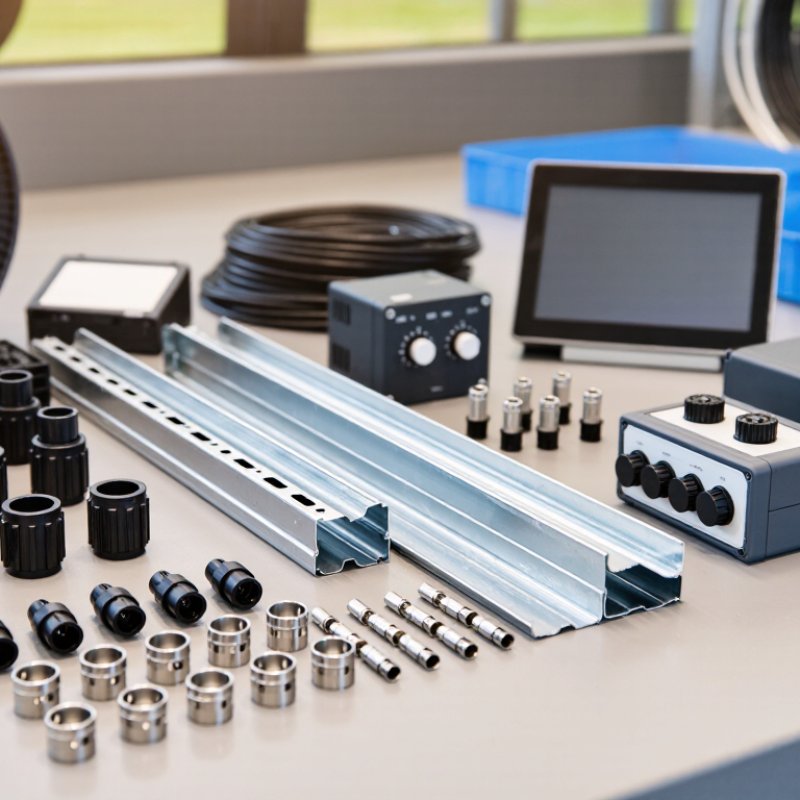
What Are the Best PV Accessories from China?

PV Accessories: Definition, Scope, and Role in Solar Systems

PV accessories are the supporting components that help solar panels generate, transmit, and protect electricity. They include mounting rails, clamps, grounding parts, DC cables, connectors, fuses, isolators, junction boxes, and monitoring devices. Each part has a practical role. A connector prevents moisture from entering the circuit. A fuse limits damage during abnormal current. A mounting system keeps panels stable under wind and changing temperatures.

The best PV accessories from China are not simply the cheapest products. They should match the panel design, inverter specifications, local climate, and installation method. In field projects, small details matter. Cable insulation must resist sunlight. Metal parts need suitable corrosion protection. Connectors require accurate dimensions and secure locking. Poor compatibility can create heat, energy loss, or difficult maintenance.

China offers broad manufacturing capacity and many accessory options. However, responsible buyers should review material certificates, test reports, factory controls, and independent inspection records. Samples should be checked before large orders. A useful evaluation also includes salt-spray performance, temperature resistance, load testing, and packaging quality. No checklist is perfect. Even experienced teams can overlook installation habits or unusual site conditions. Clear technical drawings and traceable batch information reduce that risk. Reliable suppliers should answer specific questions, provide consistent documentation, and support practical troubleshooting after delivery.

Key Types of PV Accessories Available from China

Best PV Accessories from China: Key Types to Consider

China offers a broad range of photovoltaic accessories, from aluminum mounting rails to DC protection devices. The International Energy Agency reported that China held over 80% of global solar manufacturing capacity across key supply-chain stages in 2023. That scale supports competitive pricing and faster product availability. It does not guarantee quality.

Common accessory groups include rooftop mounting systems, ground-mount structures, solar cables, MC4-compatible connectors, junction boxes, inverters, fuses, surge protection, and monitoring equipment. Mounting hardware should resist corrosion, wind loads, and repeated thermal expansion. Cables need suitable insulation, UV resistance, and correct current ratings. Connectors must match precisely. A loose connection can create heat under full sunlight. Small parts matter.

The International Renewable Energy Agency recorded about 1,419 GW of global solar capacity by the end of 2023. This enormous installed base increases demand for dependable balance-of-system components. However, product certificates can be misunderstood, copied, or applied to a different model. I would not treat a catalogue as proof. Check test reports, factory quality controls, traceability, and warranty conditions. The uncomfortable point is simple: the lowest price may hide installation and maintenance costs.

Tips: Request IEC-related test documentation, batch records, and clear dimensional drawings. Confirm connector compatibility before ordering. Ask for salt-spray or corrosion data near coastal sites. Inspect samples physically, not only through photographs. A small trial order is often wiser.

What Are the Best PV Accessories from China? - Key Types of PV Accessories Available from China
Accessory Type Primary Function Typical Specifications Common Materials Relevant Standards or Ratings Selection Considerations
Solar PV Cables Carry DC power between modules, combiner boxes, inverters, and other system components. 1.5–35 mm² conductor sizes; commonly rated up to 1,000–1,500 V DC; operating temperature typically −40°C to +90°C. Tinned copper conductor, XLPO or cross-linked polyolefin insulation and outer jacket. IEC 62930, EN 50618, TÜV 2 PfG 1169/08.2007, UV and ozone resistance. Verify conductor cross-section, voltage rating, temperature range, bend radius, flame performance, and compatibility with the project connector system.
PV Connectors Provide secure, weather-resistant electrical connections between solar cables and modules or balance-of-system equipment. Commonly 1,000–1,500 V DC; current ratings often 30–50 A; IP67 or IP68 when correctly mated. UV-resistant thermoplastic housing, copper alloy contacts, tin-plated contact surfaces and rubber seals. IEC 62852; typical protection rating IP67/IP68; suitable for outdoor PV applications. Use connectors from the same certified connector family whenever possible; check contact resistance, crimp quality, locking force, and mating compatibility.
DC Fuse Links and Fuse Holders Protect PV strings and DC circuits against overcurrent and fault conditions. Typical PV fuse ratings from 1–32 A for string protection; system voltage commonly 1,000 or 1,500 V DC. Ceramic fuse body, silver-plated fuse element, thermoplastic or ceramic fuse holder. IEC 60269-6; gPV characteristic; rated for photovoltaic DC circuits. Select the fuse according to module short-circuit current, design current, ambient temperature, maximum series fuse rating, and system voltage.
DC Surge Protection Devices Limit transient overvoltage caused by lightning-related surges and switching events. Type 2 devices are common; UCPV commonly available for 600, 1,000, or 1,500 V DC systems. Metal-oxide varistor modules, flame-retardant enclosure, replaceable protection cartridges. IEC 61643-31; status indication and optional remote signaling. Confirm maximum continuous operating voltage, short-circuit withstand capability, grounding arrangement, discharge current, and enclosure protection.
DC Isolators Disconnect PV circuits for maintenance, emergency shutdown, and safe inverter servicing. Two-, four-, or six-pole configurations; commonly rated at 600–1,500 V DC and 16–63 A. UV-resistant polycarbonate or engineering plastic housing, silver-alloy contacts and metal terminals. IEC 60947-3; outdoor versions commonly available with IP65 or higher protection. Check DC switching category, pole configuration, number of series-connected modules, temperature derating, and lockable handle design.
PV Combiner Boxes Combine multiple PV strings and integrate string fuses, surge protection, isolation, and monitoring. Commonly designed for 2–24 strings; rated for 600–1,500 V DC; optional current monitoring and communication. UV-resistant polycarbonate, ABS, or powder-coated metal enclosure; copper busbars and DIN-rail components. IEC 61439-2 and applicable PV enclosure requirements; typical outdoor protection IP65 or IP66. Assess string quantity, fuse arrangement, cable entry, ventilation, heat dissipation, surge protection, and maintenance access.
Module Junction Boxes Connect internal module busbars to external cables and provide bypass-diode protection. Commonly rated for 1,000–1,500 V DC; diode current ratings often 15–25 A; IP67 or IP68 designs are widely used. Heat-resistant, flame-retardant polyphenylene ether or similar engineering plastic; copper terminals and bypass diodes. IEC 62790; designed for outdoor temperature, humidity, UV exposure, and thermal cycling. Check adhesive compatibility, diode thermal performance, sealing reliability, cable exit design, and resistance to humidity and damp heat.
Mounting Rails Provide the structural base for attaching PV modules to rooftops, carports, or ground-mounted frames. Typical aluminum profiles are approximately 30–50 mm high; rail span depends on module load, wind, snow, and support spacing. Anodized aluminum alloy, commonly 6005A-T5 or similar structural aluminum grades. Designed according to local structural codes and project wind or snow-load requirements; corrosion-resistant outdoor finish. Confirm profile strength, span tables, thermal expansion allowance, roof interface, drainage, and compatibility with clamps and fasteners.
Module Clamps Secure framed or frameless modules to mounting rails without damaging the module frame or glass. Typical module frame heights include 30, 35, and 40 mm; end and mid-clamp versions are commonly available. Anodized aluminum clamp body with stainless-steel bolts, nuts, and spring washers. Mechanical design should comply with project structural requirements and module installation instructions. Match clamp height to the module frame, verify approved grounding method, clamping zone, torque range, and compatibility with rail channels.
Roof Hooks and Tile Interfaces Transfer PV system loads from rails to pitched-roof rafters or other structural members. Available in adjustable and fixed designs for tile, slate, trapezoidal-sheet, and other roof profiles. Stainless steel or hot-dip-galvanized steel, with aluminum rail interfaces and EPDM sealing elements where required. Must meet local building, waterproofing, corrosion, wind-load, and snow-load requirements. Verify rafter spacing, roof covering type, hook thickness, fastener length, waterproofing method, and resistance to uplift and corrosion.
Grounding and Bonding Components Create electrical continuity between module frames, rails, support structures, and the protective earthing system. Includes grounding clips, bonding washers, lugs, copper or aluminum conductors, and earthing terminals. Tinned copper, stainless steel, anodized aluminum, and corrosion-resistant conductive alloys. System design should follow IEC 62548 and applicable national electrical codes. Check metal compatibility, galvanic corrosion risk, conductor size, teeth penetration, torque, and long-term continuity after installation.
Monitoring and Communication Accessories Measure system performance and transmit data from inverters, meters, weather sensors, or string monitors. Common interfaces include RS-485, Ethernet, Wi-Fi, 4G, Modbus RTU, and Modbus TCP. Polycarbonate or metal enclosure, isolated communication circuits, shielded cables, and DIN-rail components. Electrical safety and electromagnetic compatibility should comply with the applicable equipment and regional requirements. Confirm protocol compatibility, data interval, communication distance, cybersecurity provisions, cellular coverage, and cloud or local-server requirements.

Material Quality, Technical Standards, and Product Safety

When selecting PV accessories from China, material quality should be checked before price. Aluminum rails need consistent alloy strength, clean anodizing, and accurate dimensions. Stainless steel fasteners should resist corrosion near coastal or humid sites. Cable connectors require stable insulation, firm locking, and UV-resistant housing. Small defects can create large installation problems.

Technical standards must match the project’s destination. Ask suppliers for current test reports, factory quality records, and traceable batch numbers. Check relevant IEC, UL, CE, or local requirements with an accredited testing body. Do not rely on certificates alone. Compare the report model, rated voltage, temperature range, and actual product marking. In practical sourcing reviews, packaging damage and unclear torque instructions are often overlooked. That is a mistake. Standards paperwork cannot correct poor installation guidance.

Tips: Inspect samples under sunlight and mild mechanical stress. Measure connector fit, cable flexibility, and rail thickness. Confirm IP ratings for outdoor junctions, and review flame resistance where required. Keep photos and inspection records for every shipment. A third-party inspection adds confidence, but it cannot replace engineering judgment. Some suppliers may improve samples before mass production, so random checks remain necessary. Safety depends on the entire system, not one impressive component.

What Are the Best PV Accessories from China?

Material quality, technical standards, and product safety should be evaluated against recognized IEC requirements rather than brand names. The chart shows the publication year of key IEC reference standards commonly used for PV accessory selection.

How to use this benchmark: Confirm that the supplier provides test reports and declarations matching the applicable IEC standard, rated voltage, current, temperature range, mechanical durability, and environmental protection requirements. A newer standard edition is not automatically a quality score; buyers should verify the latest edition adopted in the destination market.

Reference standards: IEC 62930 for photovoltaic cables, IEC 62852 for PV connectors, IEC 62790 for PV module junction boxes, IEC 61643-31 for DC surge protective devices, and IEC 60269-6 for PV fuse-links.

How to Select Reliable Chinese PV Accessory Suppliers

What Are the Best PV Accessories from China?

How to Select Reliable Chinese PV Accessory Suppliers

Selecting reliable Chinese PV accessory suppliers requires more than comparing prices. In PV projects, small components affect installation speed, system safety, and long-term maintenance. Look for suppliers with clear product specifications, stable production capacity, and documented quality controls. Ask for material certificates, test reports, and inspection records before placing a large order.

Test the samples. Check cable connectors, mounting parts, grounding components, and protective devices under realistic conditions. Review heat resistance, sealing performance, mechanical strength, and dimensional accuracy. A professional supplier should explain testing methods without avoiding technical questions. Factory audits can reveal useful details, including warehouse organization, calibration records, and batch identification. No audit is perfect.

I once saw a low quotation hide inconsistent packaging and unclear replacement terms. The saving disappeared after installation delays. Request a written warranty, production schedule, tolerance range, and spare-parts policy. Confirm whether the supplier can support export documentation and communicate in technical English. Reliable factories usually provide traceability from raw materials to finished goods. They also accept reasonable third-party inspections.

Do not rely on polished photographs alone. Review recent project references when available, but verify them carefully. A supplier may have strong products and weak after-sales service, or the reverse. That difference matters. Keep records. Use a staged order, inspect the first batch, and adjust your evaluation when evidence changes.

Sourcing, Pricing, Shipping, and Quality Control Considerations

What Are the Best PV Accessories from China?

Sourcing reliable PV accessories starts with a clear technical brief. Specify cable size, connector compatibility, voltage rating, material, and operating temperature. Useful products include solar cables, connectors, mounting rails, fuses, isolators, and monitoring components. Ask suppliers for current datasheets, test reports, production photos, and traceability records. A factory audit can reveal basic issues, such as poor storage, mixed components, or weak inspection procedures. Do not rely on polished catalog images alone.

Pricing needs careful comparison. Request itemized quotations that separate tooling, packaging, testing, and transport costs. Confirm the quotation currency, minimum order quantity, payment terms, and validity period. A lower unit price may hide thinner metal, cheaper insulation, or inadequate packaging. That is easy to miss.

Compare identical specifications, not just product names. Include customs duties, insurance, destination handling, and possible rework in the landed-cost calculation. Small orders may appear expensive because freight and tooling dominate the total.

Shipping conditions can affect product performance before installation. Use moisture-resistant cartons, internal separators, and clear carton markings. Confirm the shipping term, loading port, estimated transit time, and responsibility for damaged goods. Before shipment, use production samples and an agreed inspection checklist. Check dimensions, crimp quality, pull strength, insulation resistance, labeling, and quantity. Random inspection is useful, but it is not perfect. A few tested pieces cannot represent every carton. For critical projects, independent laboratory testing and batch-level photographs provide stronger evidence. Keep records of serial numbers, test results, and corrective actions for future orders.

FrenchBulgaria