10 Best Oil Storage Fuel Drums for Global Buyers?
Choosing an Oil Storage Fuel Drum is not simply a matter of capacity or price. A drum may look strong under warehouse lights, yet fail after repeated handling, temperature changes, or prolonged outdoor exposure. Global buyers must examine steel grade, wall thickness, closure design, gasket compatibility, coatings, and traceable testing records.
The International Energy Agency’s Oil 2024 report projects global oil demand will approach 105.4 million barrels per day by 2030. That outlook keeps storage, transfer, and maintenance equipment commercially important. However, demand forecasts do not guarantee product quality. The UN Recommendations on the Transport of Dangerous Goods and ISO 15750 provide useful benchmarks for drum construction, testing, and safe handling. Local rules still matter. They should not be treated as optional.
Trevor Kletz, a respected process-safety authority in the oil industry, warned, “If you think safety is expensive, try ignorance.” His point remains practical for drum procurement. A low-cost container can create hidden expenses through leakage, corrosion, contaminated fuel, or rejected shipments. The ideal choice depends on the fuel, climate, storage duration, lifting method, and compliance requirements. There is no universal winner.
This guide compares ten Oil Storage Fuel Drum options for international buyers. It considers material quality, sealing performance, portability, reusability, inspection evidence, and supplier reliability. Some evaluations remain imperfect because manufacturers disclose different technical details. That limitation deserves attention. Buyers should verify certificates, batch markings, test pressure, and after-sales support before placing large orders. The best drum is not merely durable. It is suitable, documented, and responsibly handled.
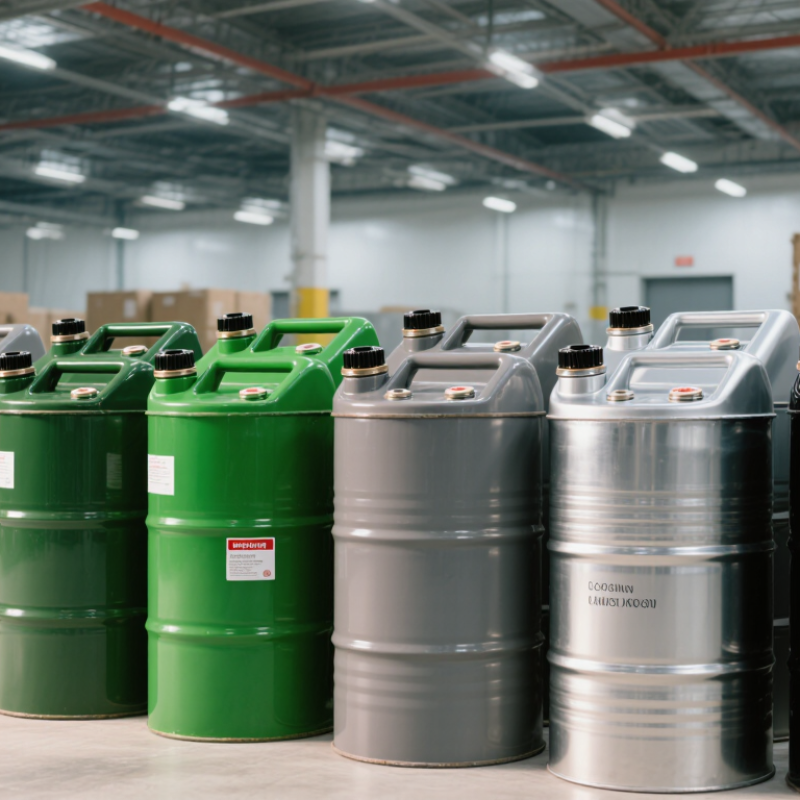
Fuel Drum Types and Their Main Uses in Oil Storage
Oil storage drums differ by material, capacity, and closure design. Steel drums suit diesel, lubricating oil, and other petroleum products when impact resistance matters. During site inspections, I check dents, seam damage, and rust around bung openings. Small defects spread. Open-head steel drums allow easier filling and cleaning, while closed-head drums reduce exposure during routine handling. Both require compatible gaskets and secure plugs.
High-density polyethylene drums resist moisture and many corrosive fluids, making them practical for selected oils and remote storage areas. They are lighter than steel and do not rust, but sunlight, heat, and chemical compatibility still need review. Use them only for products specified by the manufacturer. Similar-looking liquids may react differently. Appearance can mislead. Fiber drums may serve short-term packaging for certain oil-based materials, but they provide less protection against water and rough transport.
Drum capacity should match consumption, lifting equipment, and spill-control space. A 200-liter drum may suit workshop turnover, while smaller drums reduce handling weight for maintenance teams. Verify pressure limits, closure type, grounding needs, and local storage requirements before purchase. Keep drums upright on stable pallets, with labels facing outward and absorbent materials nearby. One practical mistake is buying by price alone. A cheaper drum can create higher disposal, leakage, or inspection costs. Records should show batch details, inspection dates, and the oil approved for each container.
Key Features of the 10 Best Fuel Drums for Global Buyers
The ten best fuel drums for global buyers share measurable safety features, not attractive finishes. IEA’s Oil 2024 report projects oil demand at 105.4 million barrels per day by 2030. That scale makes reliable storage equipment essential. A strong drum should carry a valid UN performance marking when transport rules require it. Buyers should verify the exact marking, not accept vague “export quality” claims.
Key features include corrosion-resistant steel or compatible high-density polyethylene, reinforced seams, secure bung closures, and chemical-resistant gaskets. Leak testing matters. So does a stable pallet base for forklifts and uneven loading areas. A practical drum should resist dents, ultraviolet exposure, and temperature changes during long-distance handling. NFPA 30 guidance emphasizes controlling ignition sources, ventilation, and spill prevention around flammable liquids. Regional requirements still differ, so technical certificates need local review.
A heavier drum is not automatically safer. It may increase handling injuries and shipping costs. I would also question thin coatings that hide poor welds. Check wall thickness, closure torque, grounding points, and replacement-gasket availability before purchase. The U.S. EPA’s SPCC framework uses 1,320 gallons as a key aboveground oil-storage threshold, but that rule is not global. Good documentation helps. Still, field inspections remain necessary because damaged rims, loose caps, and small gasket cracks often appear after repeated handling.
Material, Capacity, Safety, and Compliance Considerations
For global buyers, the 10 best oil storage fuel drums are not simply the largest or cheapest. Material choice matters first. Carbon steel offers strength and broad compatibility with diesel, lubricating oils, and many industrial fluids. HDPE can resist corrosion, but sunlight and temperature cycling may weaken it. In field inspections, damaged bung threads and swollen plastic walls are common warning signs. Small defects become expensive leaks.
Capacity should match handling equipment and usage speed. Common options include 20, 55, and 200 litres. A full 200-litre drum can exceed 180 kilograms, depending on the fluid. That requires a pallet, drum trolley, or mechanical lift. The International Energy Agency’s Oil 2024 report projects global oil demand approaching 106 million barrels daily by 2029. This scale increases the need for reliable, traceable storage, even at smaller sites.
Safety details deserve equal attention. Select sealed closures, pressure-relief features where required, visible product labels, and secondary containment. The U.S. EPA’s Spill Prevention, Control, and Countermeasure rule uses 1,320 gallons as a threshold for certain aboveground oil storage requirements. Other jurisdictions differ. Check local fire, environmental, transport, and workplace rules before purchase. The UN Recommendations on the Transport of Dangerous Goods also support standardized marking and packaging controls. A drum may pass a supplier’s checklist yet fail a local inspection. That uncomfortable possibility should shape every buying decision.
How to Compare Fuel Drums for Different Markets and Applications
10 Best Oil Storage Fuel Drums for Global Buyers
How to Compare Fuel Drums for Different Markets and Applications
The best fuel drum depends on climate, fuel type, handling, and storage time. A drum for a coastal warehouse may need stronger corrosion resistance. A compact model may suit workshops, while a larger drum fits remote agricultural sites. Check the steel or polymer construction, wall thickness, closure design, and seal quality. These details affect leakage risk and service life. Local transport and storage rules also matter. Confirm required testing, labeling, and certification before purchase.
Application changes the comparison. For frequent movement, inspect lifting rings, stackability, and drum weight. For long-term storage, examine UV resistance, temperature limits, and compatibility with the stored fuel. In cold regions, brittle materials can create problems. In hot regions, pressure control becomes more important. Field inspections often reveal small weaknesses, such as stiff lids or poor gasket seating. No drum is perfect everywhere. A low-cost choice may become expensive after repeated handling.
Tips: Compare three samples before ordering in bulk. Fill one with the intended fuel and inspect the seal after several days. Ask suppliers for material data, test records, and cleaning guidance. Measure warehouse space carefully. It is easy to overlook drainage, ventilation, or forklift access. Recheck assumptions with local operators; their practical feedback may challenge the original specification.
Storage, Transport, Maintenance, and Disposal Best Practices
Oil storage fuel drums need a controlled routine, not simple stacking. Choose drums rated for the specific oil, with compatible seals and secure closures. Inspect every container before filling. Look for dents, rust, damaged threads, and seepage around the cap. A small leak can spread across a concrete floor quickly. Store drums upright on stable pallets, away from drains, heat, sparks, and direct sunlight. Keep clear labels visible. Include the oil type, filling date, and hazard information required by local rules.
Transport requires restraint and patience. Secure each drum vertically with straps that cannot cut the metal. Never rely on weight alone. Check closures before loading, and keep drums separated from sharp tools or loose equipment. Use suitable handling equipment instead of rolling heavy drums by hand. During unloading, move slowly over uneven ground. One careless impact may weaken a seam. Secondary containment is valuable, even during short-term storage.
Maintenance should include scheduled checks, clean transfer equipment, and spill materials nearby. Remove dust from closures before opening, then inspect threads and gaskets again. Grounding and bonding may be necessary when transferring flammable oils; a qualified safety professional should assess the setup. Do not wash oil residue into drains or soil. Empty drums are not automatically safe. Never burn, cut, or repurpose them unless a competent waste specialist confirms they are clean and suitable. Use licensed disposal channels and retain records where regulations require them. I have seen routine inspections become rushed, which is a mistake worth correcting. Five quiet minutes can reveal a serious problem.
Nominal capacities shown are common oil and fuel storage formats used across international supply chains. Actual fill limits depend on the liquid density, container material, UN certification, local regulations, and transport requirements. Before reuse or disposal, inspect for corrosion, leaks, deformation, and contamination.



