How to Choose the Best Heat Fusion Machine for Your Needs?
Choosing the right Heat Fusion Machine is crucial for optimal performance in various applications. Recent industry reports indicate that the demand for these machines has grown by over 15% in the past year alone. This increase highlights the importance of selecting a machine that meets both your operational needs and budget constraints.
Professionals assert that the effectiveness of a Heat Fusion Machine greatly depends on its specifications and capabilities. Key factors include the machine's heating method, operating speed, and durability. For instance, machines with advanced digital controls offer more precise temperature settings, enhancing the quality of the fusion process. However, not every model will suit your specific requirements.
A thorough evaluation is necessary when selecting a machine. Considerations should include user feedback, warranty offers, and post-purchase support. The insights gleaned from industry experts often prove invaluable. While multiple options exist, it is important to acknowledge that not all machines deliver equal performance. Thus, careful research is essential to making an informed choice.
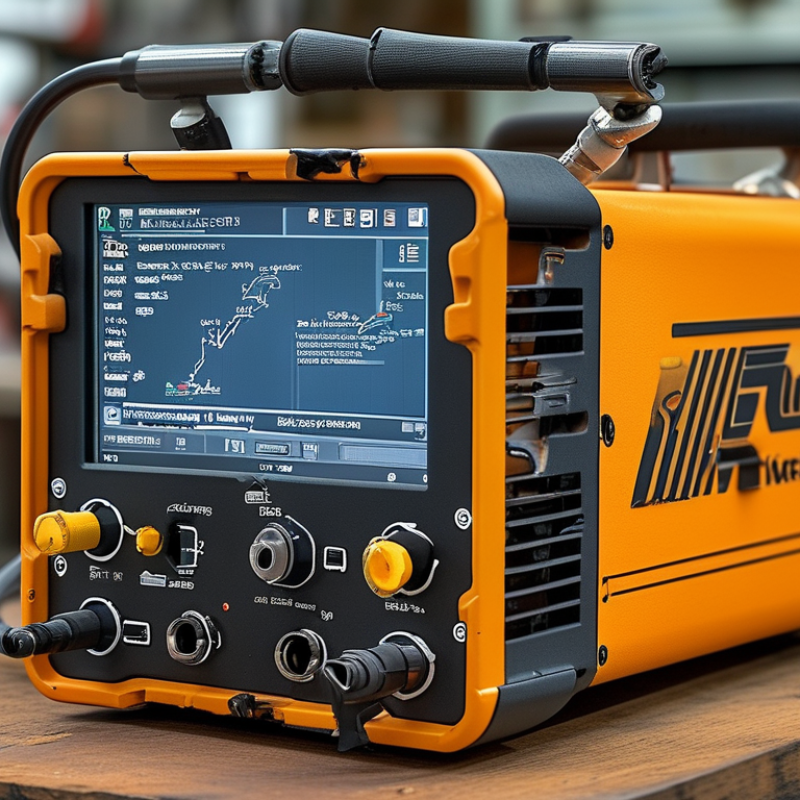
Understanding Heat Fusion Machines: An Overview
Heat fusion machines play a crucial role in various industries, especially in pipe joining and construction. These machines merge thermoplastic materials by applying heat and pressure. A report by MarketsandMarkets states that the global heat fusion machine market is projected to reach $1.5 billion by 2025, reflecting increasing demand in sectors like water supply and drainage systems. Understanding their functionality is essential for selecting the right one.
Selecting a heat fusion machine involves understanding its types and capabilities. There are several options available: socket fusion, electrofusion, and butt fusion. Each type serves different purposes and applications. For instance, socket fusion is efficient for smaller diameter pipes, while butt fusion works well for larger pipes. However, operators must consider their specific needs and the material compatibility. A mismatch can lead to ineffective fusion and costly repairs.
Moreover, it’s important to review the latest technological advancements. Some machines now offer automated processes, which improve consistency and reduce human error. Yet, reliance on these features can create vulnerabilities if operators lack training. Ensuring operators are well-versed in both the machine and materials is critical. Continuous learning will minimize failures and enhance efficiency. Investing in the right heat fusion machine demands an informed decision-making process.
Key Factors to Consider When Selecting a Heat Fusion Machine
When selecting a heat fusion machine, understanding your specific needs is crucial. The type of materials you work with significantly impacts your choice. For instance, thermoplastics like polyethylene and polypropylene require different fusion techniques. Each material has unique characteristics that can determine the effectiveness of the fusion. According to a recent industry report, up to 75% of project failures can be attributed to improper material handling and fusion processes.
Another key factor is the machine's ease of use. User-friendly interfaces can enhance productivity. Many operators find that complicated controls lead to errors, affecting quality. Research indicates that training costs can escalate up to 30% if a user struggles with complexity. Additionally, consider the machine's portability. For projects that vary in location, a compact design is advantageous. The right balance between power and size can make a noticeable difference in efficiency.
Lastly, look at the machine's maintenance requirements. Frequent breakdowns can disrupt work schedules. Data shows that machines with high reliability rates result in 40% less downtime. However, many users fail to effectively assess these factors before purchase. This oversight can lead to regret and financial strain in the long run. Being thorough in this process can lead to a better investment for future projects.
Comparing Different Types of Heat Fusion Machines
When selecting a heat fusion machine, understanding the different types available is crucial. There are three primary categories: manual, semi-automatic, and fully automatic machines. Manual machines offer control and precision but require more operator skill. They are best for small-scale operations. Semi-automatic machines balance usability and efficiency, making them ideal for medium-sized projects. Fully automatic machines are great for high-volume tasks, yet often come with a steep learning curve.
Each type has its pros and cons. Manual machines allow for a greater hand in the fusion process, but this can lead to inconsistency. Semi-automatic options streamline operations, but they might lack the robustness some projects demand. Fully automatic machines provide speed and repeatability, yet, in the wrong hands, they can overlook small details. This potential for error emphasizes the importance of training and experience when using these machines.
Evaluating the specific needs of your project is essential. Consider factors such as material types, project scale, and budget. Often, the best choice depends on how much fusion you will perform. A machine that works perfectly in one setting may struggle in another. Balancing these aspects will help you select a heat fusion machine tailored to your specific requirements.
How to Choose the Best Heat Fusion Machine for Your Needs? - Comparing Different Types of Heat Fusion Machines
| Machine Type | Heat Source | Suitable Materials | Max Temperature (°C) | Average Price (USD) |
| Hot Air Welder | Hot Air | PVC, PE | 600 | 500-1500 |
| Ultrasonic Welder | Ultrasound | PVC, PP, PET | 200 | 1500-3000 |
| Induction Welder | Induction | Metal, Thermoplastics | 800 | 2000-5000 |
| Thermal Plate Welder | Electric Heating | LDPE, HDPE | 300 | 1000-4000 |
Evaluating Performance and Efficiency Features
When evaluating performance and efficiency features for heat fusion machines, consider their heating capabilities and speed. A machine that heats and maintains temperature consistently will enhance your productivity. Look for models with quick heating times. This ensures less waiting and more efficiency in your operations.
Another critical feature is the energy consumption of the machine. Some machines may appear powerful but consume excessive energy. This can lead to higher operational costs over time. Seek machines with energy-saving modes or settings that optimize power usage. A reliable machine should balance performance without sacrificing efficiency.
Lastly, assess user feedback and product reviews. Real-world experiences can provide insights into the machine's durability and long-term performance. Some machines may perform well initially but could face issues after extensive use. A thorough evaluation of performance data and customer testimonials can lead to a more informed decision. In the end, prioritize machines that meet your specific requirements while maintaining efficiency.
Budgeting for Your Heat Fusion Machine Purchase
When budgeting for a heat fusion machine, understanding your specific needs is crucial. Consider how often you will use the machine. Frequent use may justify a larger investment. However, if your needs are sporadic, a less expensive model could suffice. Assess the types of materials you'll be working with. Certain machines handle specific materials better than others.
It's also helpful to estimate long-term costs. Consider maintenance and operational expenses. Are replacement parts readily available? Machines that require rare components can lead to higher future costs. Don't overlook the potential for training costs if your team lacks experience.
Keep in mind the importance of reviews and recommendations. Talk to industry professionals to gain insight. Their experiences provide valuable guidance. Evaluate your budget against your project goals. Sometimes a lower-priced option may not meet expectations, risking wasted resources. Reflect on your priorities. This will help streamline your decision-making process.



