How to Choose the Best Water Meters for Sale for Your Home or Business
Choosing the right water meters for sale is crucial for both homeowners and businesses seeking to monitor and manage water consumption effectively. With a variety of options available in the market, making an informed decision can lead to cost savings and improved water management strategies. Whether you are looking for a basic model for residential use or a more advanced system for commercial applications, understanding the features and specifications of different water meters is essential to meet your specific needs.
In this guide, we will explore the key factors to consider when selecting water meters for sale, including accuracy, ease of installation, and maintenance requirements. Additionally, we will delve into the types of water meters available, such as mechanical and digital options, each offering unique advantages depending on usage and budget constraints. By equipping yourself with the right knowledge, you can ensure that your choice of water meters not only enhances water conservation efforts but also contributes to efficiency and sustainability in your home or business.
What to Consider When Selecting a Water Meter for Your Property
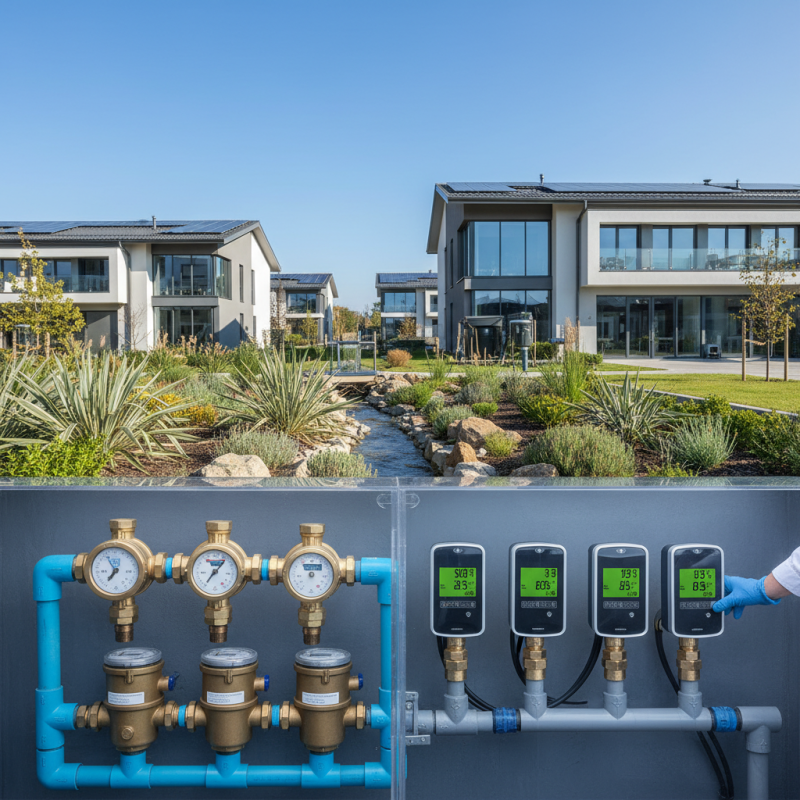
When selecting a water meter for your property, several key factors should be considered to ensure optimal performance and cost-effectiveness. Firstly, understanding the type of water meter suitable for your needs—whether it's mechanical, electronic, or smart—is crucial. According to the American Water Works Association (AWWA), approximately 80% of water utilities in the U.S. now use some form of automated metering technology, which allows for more accurate readings and real-time data monitoring. This transition not only enhances billing accuracy but also helps identify leaks and conserve water, addressing a growing concern given that nearly one in ten U.S. homes has leaks that waste at least 90 gallons of water per day.
Another vital consideration is the meter's capacity and sizing, which should correspond to your consumption patterns. For residential settings, basic flow rates typically range from 5 to 20 gallons per minute, while commercial properties may require higher capacities depending on their usage. The industry reports that choosing a meter with a proper size can improve efficiency and reduce maintenance costs significantly. Additionally, for those focusing on sustainability, opting for a water meter with advanced measurement technology can provide insights into water usage trends, assisting in developing strategies to conserve water and reduce overall utility costs.
How to Choose the Best Water Meters for Sale for Your Home or Business - What to Consider When Selecting a Water Meter for Your Property
| Feature |
Description |
Importance Level |
| Accuracy |
The meter should provide precise readings to avoid discrepancies in billing. |
High |
| Type |
Choose between mechanical, digital, or ultrasonic meters based on your needs. |
Medium |
| Installation |
Consider whether you can install it yourself or require professional assistance. |
Medium |
| Size |
Ensure the size is suitable for your plumbing system. |
High |
| Budget |
Set a budget considering both purchase and potential installation costs. |
High |
| Maintenance |
Consider how often the meter needs calibration or other maintenance. |
Medium |
Types of Water Meters: Understanding Mechanical vs. Electronic Options
When selecting a water meter for your home or business, understanding the differences between mechanical and electronic options is crucial.
Mechanical water meters, often referred to as positive displacement meters, utilize moving parts to measure water flow.
According to the American Water Works Association, these traditional meters are reliable and have been widely used for decades, offering accuracy levels around ±5% for flows within their specified range.
They are typically less expensive upfront, making them a common choice for residential applications.
On the other hand, electronic water meters are gaining popularity due to their advanced features and enhanced efficiency.
These devices use sensors and electronic components to measure water flow, providing real-time data and more precise readings, often achieving accuracy levels between ±1-2%.
A report from Research and Markets indicates that the market for electronic water meters is expected to grow by over 20% by 2025, driven by the increasing demand for smart water management solutions.
With their capacity for remote monitoring and integration with smart home systems, electronic meters may represent a worthwhile investment for businesses looking to optimize their water consumption and reduce operational costs.
Key Features to Look for in a Residential or Commercial Water Meter
When selecting the best water meters for either residential or commercial use, it is crucial to consider several key features that will ensure efficient monitoring and management of water usage. One of the paramount features is accuracy. Percentage error in water measurement can significantly affect billing and resource management.
According to a report from the American Water Works Association, accurate metering can save utilities up to 10% in unaccounted-for water, resulting in considerable cost savings in the long run.
Another important aspect to consider is the type of meter technology employed. Mechanical meters, while common, may struggle with low-flow conditions and can wear down over time, leading to inaccuracies. In contrast, ultrasonic and electromagnetic meters provide higher accuracy by measuring flow without moving parts, thus making them more reliable and long-lasting.
A study from the International Water Association indicates that advanced metering infrastructure can enhance overall water efficiency by up to 15%, making this an essential factor for businesses and homeowners alike.
Additionally, ease of installation and maintenance should not be overlooked. Selecting water meters that come with user-friendly interfaces and remote reading capabilities can streamline operations, particularly for larger businesses or properties.
This feature can reduce the labor costs associated with manual readings and ensure timely updates to water consumption data, reflecting a trend noted in recent market analyses that emphasize the growing demand for smart water meters to enhance operational efficiencies.
How to Calculate Your Water Usage Needs for Effective Meter Selection
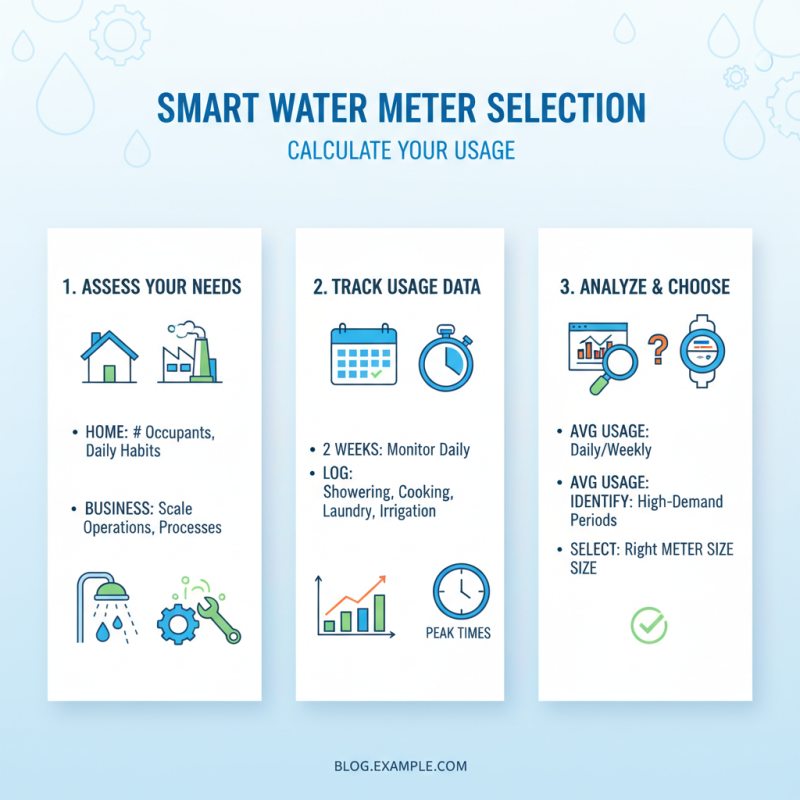
When selecting a water meter for your home or business, it's essential to first calculate your water usage needs. This involves assessing your daily consumption, which can vary significantly based on the number of occupants in a household or the scale of operations in a commercial setting. Start by tracking your water usage for a couple of weeks, noting daily activities that consume water, such as showering, cooking, laundry, and irrigation. This data collection will provide a clearer picture of your average usage and help identify peak times when demand might be higher.
Additionally, consider how future changes might affect your water usage. Are you planning to expand your family or business operations? Will you be implementing new water-intensive activities? Factoring in these potential increases will ensure that the water meter you choose can handle your needs efficiently. Once you have a firm understanding of your current and anticipated usage, you can make a more informed decision about which type of water meter will best suit your situation, ensuring optimal performance and cost-effectiveness.
Where to Buy Quality Water Meters: Retailers vs. Online Options
When it comes to purchasing water meters, understanding where to buy quality products is essential for both homeowners and business operators. Retailers often offer the advantage of immediate product availability and the ability to consult with knowledgeable staff who can provide insights tailored to specific needs. According to a report by the American Water Works Association, approximately 60% of consumers prefer in-person shopping for technical products due to the opportunity to directly assess the quality and get hands-on support.
On the other hand, the rise of online shopping has transformed the water meter purchasing landscape. Online platforms can provide broader selections and competitive pricing, making it easier to compare features such as accuracy, durability, and advanced functionalities. A recent industry analysis indicated that e-commerce in the plumbing supply sector is expected to grow by 10% annually, largely driven by convenience and the ability to read customer reviews. While this option offers a wealth of information, buyers should ensure they are selecting reputable online retailers that guarantee product quality and after-sales support.
Considering the pros and cons of each option, potential buyers can make informed decisions that align with their specific requirements and budget, ensuring they choose the best water meters available for their property.