How to Choose the Best Power Monitoring System for Your Needs in 2025
In an increasingly energy-conscious world, the importance of an effective power monitoring system cannot be overstated. As businesses and facilities look to optimize their energy usage and reduce costs, understanding how to choose the right system becomes crucial. "The best power monitoring system not only tracks energy consumption but also empowers users to make informed decisions for sustainable practices," says Dr. Emily Carson, a leading expert in energy management and efficiency.
As we venture into 2025, the landscape of power monitoring technology is evolving rapidly. With advancements in artificial intelligence and IoT integration, organizations must assess their unique needs to select a system that aligns with their operational goals. A well-chosen power monitoring system can provide actionable insights, help identify inefficiencies, and ultimately lead to significant cost savings and environmental benefits.
This article will guide you through the essential factors to consider while choosing a power monitoring system tailored to your specific requirements, ensuring you make an informed decision that promotes both efficiency and sustainability in your energy management strategy.

Understanding Power Monitoring Systems: Key Features to Consider
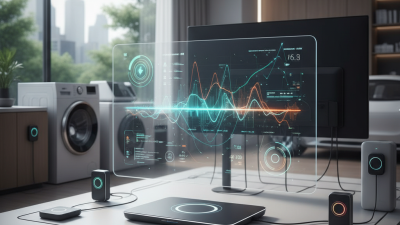
Power monitoring systems are becoming increasingly vital as businesses strive for energy efficiency and cost savings. When selecting a power monitoring system for 2025, several key features should be considered. Firstly, real-time data analytics capabilities are essential. According to industry reports, companies utilizing real-time power monitoring can reduce their energy costs by up to 30%. This feature allows organizations to address inefficiencies and optimize usage promptly, leading to substantial savings.
Moreover, scalability is another critical aspect. As organizations grow, their energy needs evolve. A flexible monitoring system that can easily scale to accommodate future requirements can prevent unnecessary financial burdens. A recent study by the International Energy Agency (IEA) highlighted that scalable systems not only enhance operational efficiency but also support sustainability initiatives, allowing users to monitor and reduce their carbon footprint effectively.
Tips: Look for systems that integrate seamlessly with your existing automation infrastructure. This compatibility ensures ease of use and enhances the overall functionality. Additionally, consider systems that offer customizable dashboards. These personalized interfaces can provide insights tailored to specific operational needs, making data interpretation more straightforward for decision-makers.
Evaluating Your Energy Management Needs for 2025
When evaluating your energy management needs for 2025, it is essential to consider the specific requirements of your facility and operations. Start by analyzing your current energy consumption patterns and identifying trends. This involves understanding peak usage times, the types of equipment and systems in use, and evaluating operational changes that may increase or decrease energy demand. By doing this foundational work, you can tailor a power monitoring system that effectively addresses your unique circumstances, ensuring optimal performance and returns.
Moreover, as technology evolves, so do energy management solutions. In 2025, look for systems that offer advanced features such as real-time data analytics, predictive maintenance, and integration with renewable energy sources. Assess whether the system can provide actionable insights to enhance efficiency, reduce costs, and support sustainability goals. By aligning your desired outcomes with the capabilities of available systems, you will be better prepared to select a power monitoring solution that not only meets current needs but is also adaptable to future demands.
Comparing Different Types of Power Monitoring Systems
When considering a power monitoring system, it is essential to understand the different types available to determine which best fits your needs. The market has shifted significantly towards advanced monitoring systems that include functionalities such as real-time data analytics, energy efficiency tracking, and predictive maintenance. According to a recent report by the International Energy Agency, the global market for power monitoring systems is projected to grow at a CAGR of 10.2% through 2025, indicating a strong demand for more sophisticated solutions.
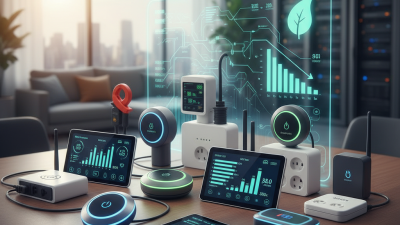
Broadly, power monitoring systems can be categorized into three types: basic, smart, and integrated systems. Basic systems typically provide real-time monitoring of energy consumption but lack advanced analytics capabilities. In contrast, smart systems incorporate IoT sensors, enabling users to remotely access data and generate insights through cloud computing. A report from the Smart Electric Power Alliance highlights that 65% of businesses that adopt smart monitoring systems see at least a 20% reduction in energy costs. Integrated systems take it a step further, offering seamless integration with other energy management tools and grid systems, allowing for enhanced decision-making and operational efficiency.
Ultimately, selecting the right power monitoring system hinges on evaluating your specific requirements, budget, and the level of insight you need. With the rapid evolution of technology in this sector, organizations must invest in systems that not only meet their current needs but also adapt to future demands, ensuring long-term sustainability and efficiency.
Assessing Integration and Scalability Options
When selecting a power monitoring system in 2025, assessing integration and scalability options is paramount. A robust power monitoring system should seamlessly integrate with existing infrastructure, ensuring compatibility with various devices and software environments. This integration capability not only enhances operational efficiency but also minimizes the cost and effort associated with deploying new monitoring solutions. Consider systems that provide open architecture or APIs, allowing for easy connection to third-party applications and enabling comprehensive data analysis.
Scalability is equally important, as energy needs may change significantly over time. A power monitoring system must accommodate growth, whether that involves adding new monitoring points, integrating renewable energy sources, or expanding into new facilities. Opt for solutions that offer modular components, allowing you to expand your monitoring capabilities without overhauling your entire system. This flexibility ensures that businesses can adapt to evolving requirements, making informed decisions driven by real-time data while maintaining the integrity and performance of their power management processes.
Determining Budget and ROI for Power Monitoring Solutions
When evaluating power monitoring solutions for your organization, determining budget and ROI is crucial for making informed decisions. According to a report by the International Energy Agency, energy efficiency improvements can result in savings of up to 30% of total energy costs. Investing in a robust power monitoring system can provide insights needed to unlock these savings. Organizations must compare the initial costs of installation and ongoing operational expenses against the potential for reduced energy consumption and minimized downtime.
To effectively calculate the return on investment, businesses should analyze potential reductions in energy bills alongside other benefits, such as improved equipment performance and longevity. The Association for Energy Engineers notes that companies integrating advanced power monitoring systems typically see a payback period of less than two years, depending on their specific circumstances. Furthermore, organizations that leverage data analytics from their power management systems can identify anomalies and inefficiencies, enabling proactive measures that can enhance overall productivity and resource utilization. Understanding these financial implications will allow decision-makers to justify their investment in power monitoring solutions strategically.
How to Choose the Best Power Monitoring System for Your Needs in 2025
| Feature |
Importance Rating (1-5) |
Estimated Cost ($) |
ROI Period (months) |
| Real-time Monitoring |
5 |
2000 |
6 |
| Data Analytics |
4 |
1500 |
8 |
| User-friendly Interface |
5 |
1200 |
5 |
| Scalability |
4 |
1800 |
7 |
| Integration with Existing Systems |
5 |
2500 |
10 |