How to Choose Box Design Ex Motors in 2026?
Choosing Box Design Ex Motors in 2026 requires more than comparing power ratings and purchase prices. These motors support demanding environments, including chemical plants, grain handling facilities, fuel terminals, and processing lines. A suitable choice must match the hazardous area classification, equipment protection level, temperature class, duty cycle, and installation conditions. Small details matter.
From practical selection experience, the motor nameplate is only the starting point. Check voltage, frequency, starting current, torque, efficiency, enclosure protection, cooling method, and maximum ambient temperature. Then verify the motor’s IECEx, ATEX, or relevant regional certification through reliable manufacturer documents. Certification must match the complete installation, not merely the motor model. Local inspectors and qualified engineers should confirm the final decision.
A box-design enclosure can simplify protection and maintenance, but it may increase weight, heat retention, or inspection time. That trade-off is easy to overlook. Dust, moisture, vibration, and frequent starts can shorten service life when specifications are selected too narrowly. In 2026, buyers should also examine IE efficiency classes, variable-frequency-drive compatibility, condition monitoring, spare-parts access, and supplier support. Digital monitoring sounds attractive, yet poor sensor placement can produce misleading data. A careful comparison should include lifecycle cost, documented test results, maintenance records, and real operating temperatures. No selection guide replaces site-specific engineering review. The best Box Design Ex Motors choice is the one that remains safe, efficient, serviceable, and properly documented throughout its working life.
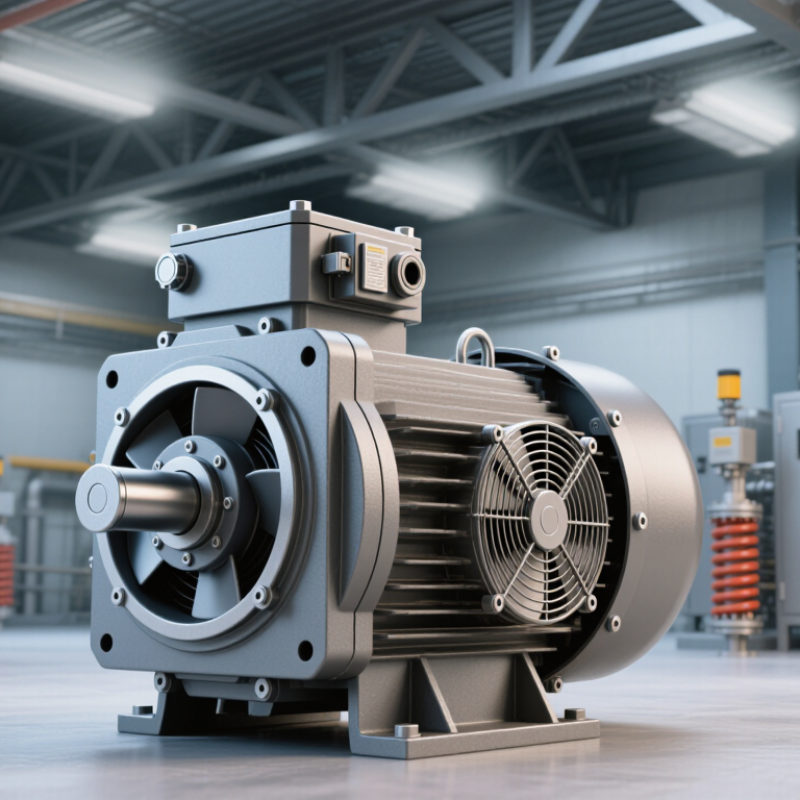
Define Hazard Zones: Compare Ex Motor Types for Zones 1, 2, 21, and 22
Choosing box-design Ex motors in 2026 starts with the hazardous zone, not the motor’s price. Zone 1 permits explosive gas atmospheres during normal operation occasionally. Zone 2 expects them only briefly or abnormally. For dust, Zone 21 allows occasional explosive clouds. Zone 22 allows them rarely and briefly. IEC 60079-10-1 and IEC 60079-10-2 require competent area classification before equipment selection.
For Zone 1, compare Ex db flameproof or Ex eb increased-safety motors. Their terminal boxes need certified enclosure joints, suitable cable glands, and controlled surface temperatures. Zone 2 may accept Ex ec equipment, but only when the gas group, temperature class, and installation conditions match. Zone 21 and Zone 22 require dust protection, commonly Ex tb or Ex tc. Check dust layers, not only airborne clouds. A thick layer can become a dangerous heat blanket.
Tips: Record gas or dust group, ignition temperature, ambient temperature, and IP rating. Verify the terminal-box certificate separately. The motor certificate alone may not cover glands or cable entries. ILO’s 2023 safety report estimated 2.93 million work-related deaths annually worldwide, reminding engineers that classification errors have serious consequences. In practice, many specifications remain too generic. I would challenge any quotation saying only “explosion-proof motor.” It may fit the zone but fail the process temperature, dust layer, or maintenance requirement. Recheck the assumptions.
Zone 1 and Zone 2 apply to explosive gas atmospheres, while Zone 21 and Zone 22 apply to combustible dust. Ex db and Ex eb motors are commonly certified for gas Zone 1 and Zone 2; Ex ec is generally used for Zone 2. Ex tb equipment is commonly used for dust Zone 21 and Zone 22, while Ex tc is generally limited to Zone 22. Final selection must also verify the equipment protection level, gas or dust group, temperature class, ambient conditions, and the applicable certification.
Verify Enclosure Protection: Select IP55, IP66, or Higher Ratings
How to Choose Box Design Ex Motors in 2026?
Verify enclosure protection before comparing motor efficiency or frame size. IEC 60529 defines IP55 as protection against harmful dust deposits and water jets. IP66 adds complete dust tightness and stronger water-jet resistance. These ratings describe ingress protection, not explosion protection, thermal performance, or corrosion resistance. A certified hazardous-area design remains essential where flammable gases or dust may exist.
The U.S. Department of Energy’s Motor Systems Market Assessment reports that motor-driven equipment uses about 46% of electricity in U.S. manufacturing. That figure makes enclosure reliability a practical energy concern, not a cosmetic feature. A dusty cement room may need IP66, sealed cable glands, and controlled cleaning procedures. IP55 can suit an indoor pump room with limited spray and stable ventilation. Outdoor coastal installations may require higher corrosion protection, even when IP66 appears adequate.
Look closely at real operating details. Can a hose reach the terminal box? Will condensation collect below the cable entry? Does the design include a drain, breather, or correctly tightened gland? Water ingress is unforgiving. Field assessments often find that a high IP rating fails after poor installation or damaged seals. IP67 may help during temporary immersion, but it does not automatically replace IP66 for powerful water jets. I would verify the complete assembly against IEC 60529, installation conditions, and the site’s hazardous-area requirements. The rating label alone is not enough.
Compare IE3 and IE4 Efficiency Levels Under IEC 60034-30-1
How to Choose Box Design Ex Motors in 2026?
When selecting a box design Ex motor, compare IE3 and IE4 under IEC 60034-30-1. The standard classifies motor efficiency through defined test conditions. It does not, by itself, confirm explosion protection. Check the motor’s Ex certification separately.
IE3 motors usually provide a practical balance between purchase cost and operating efficiency. IE4 motors reduce electrical losses further, especially in applications running many hours each year. A 30 kW motor may operate continuously beside a pump, fan, or conveyor. In that setting, even small percentage savings can reduce heat and electricity consumption.
But efficiency is not the only engineering decision. IE4 designs may have different starting current, slip, thermal behavior, and drive requirements. Confirm compatibility with the supply system or variable-speed drive. Examine the rated output, duty cycle, ambient temperature, and enclosure cooling method. Hazardous-area classification must match the complete motor assembly.
The nameplate needs careful reading. It should show efficiency data, rated conditions, temperature limits, and certification information. Ask for test methods and declared tolerances. A higher IE class does not automatically mean lower lifecycle cost. Installation losses, poor alignment, and oversized motors can erase expected savings.
I have seen specifications focus too heavily on the IE label. That approach is incomplete. Recheck the real load profile before choosing IE4. Sometimes the better decision is not the more efficient motor, but the correctly sized one.
Check IEC 60079 Certification, Power, Duty, Cooling, and Maintenance Data
How to Choose Box Design Ex Motors in 2026?
Choosing a box design Ex motor should begin with its IEC 60079 certification. Do not trust a certificate label alone. Check the certificate number, protection concept, gas or dust group, temperature class, and equipment protection level. Confirm that these details match the hazardous zone, ambient temperature, and installation method. Certification is not a substitute for competent site assessment.
Power selection needs more than comparing kilowatts. Review voltage, frequency, starting current, torque, load profile, and service factor. A motor running a conveyor may face repeated starts, while a fan often needs steadier duty. Specify the duty rating clearly. Small mistakes here can create excessive heat. I have seen catalog values look suitable until real starting conditions exposed the gap.
Cooling design also deserves close inspection. Compare the permitted ambient range, enclosure protection, ventilation path, and temperature-rise data. Dust buildup can reduce heat transfer surprisingly fast. Request maintenance data before purchasing: bearing type, lubrication interval, inspection access, terminal torque, and approved repair procedures. Keep records of vibration, temperature, and insulation resistance. Some maintenance intervals may be too optimistic for wet, dusty sites. Recheck them after operating experience. A practical choice is one supported by traceable documents, trained technicians, and service procedures that your facility can actually follow.



