Top 5 Tips for Choosing the Right Tank Level Sensor?
Choosing the right tank level sensor is crucial for effective management of liquid storage. According to a report by Market Research Future, the tank level sensor market is projected to grow significantly, reaching over $1.5 billion by 2025. Accurate level sensing is essential in industries such as oil and gas, water treatment, and chemicals. Selecting the appropriate sensor can lead to improved operational efficiency and reduced costs.
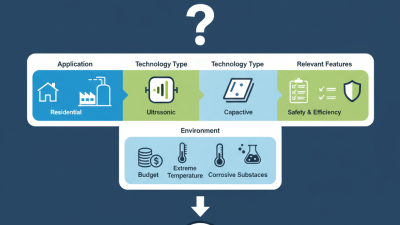
With various types of tank level sensors available, understanding their specific functionalities is key. Different sensors offer unique advantages, such as ultrasonic, capacitive, and radar technologies. Each type has its strengths and weaknesses, depending on the specific application. Many businesses may overlook these factors, leading to suboptimal performance and safety risks.
Investing in the right sensor involves thorough evaluation. Not all sensors will fit every tank or liquid type seamlessly. Users often face challenges in choosing sensors that align perfectly with their operations. This oversight can lead to increased downtime and maintenance issues. Therefore, a thoughtful selection process is essential to ensure reliable performance in the long term.
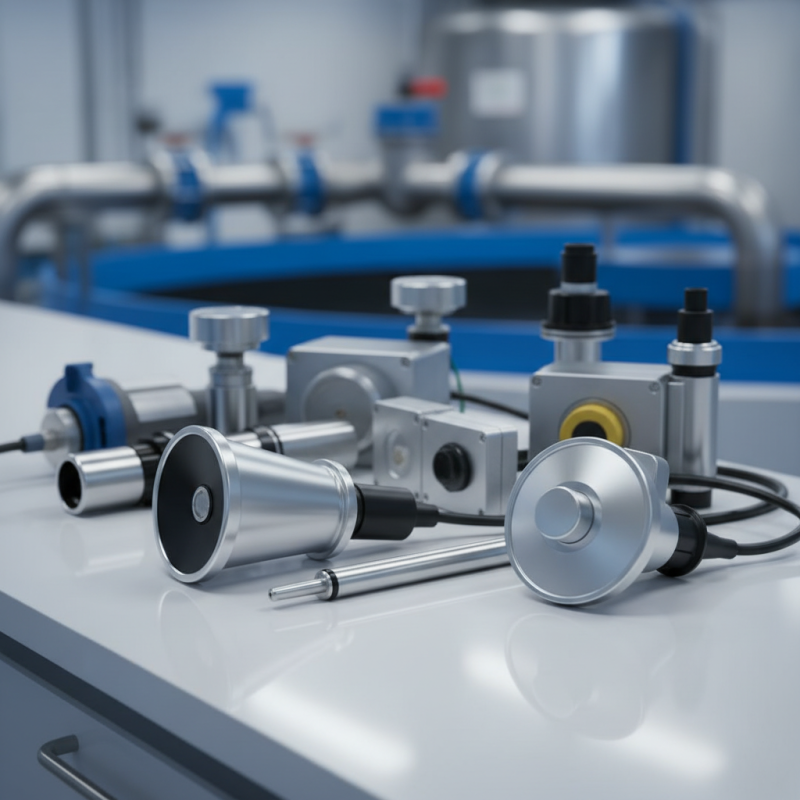
Understanding Different Types of Tank Level Sensors Available on the Market
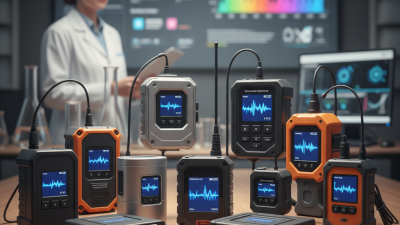
Choosing the right tank level sensor involves understanding the various types available. Each sensor has unique characteristics suitable for different applications. Ultrasonic sensors, for instance, measure distance using sound waves. They are effective in various tank sizes and contents but may struggle with vapor and foam interference. According to a recent market analysis, ultrasonic sensors dominate the industry, accounting for nearly 30% of the market share.
Capacitive sensors offer another option. They work by measuring the change in capacitance caused by material presence. This method is advantageous in liquid applications but can be less effective for solids or varying densities. A study from the industry association highlights that capacitive sensors are favored in food and beverage industries, largely due to their accuracy and reliability.
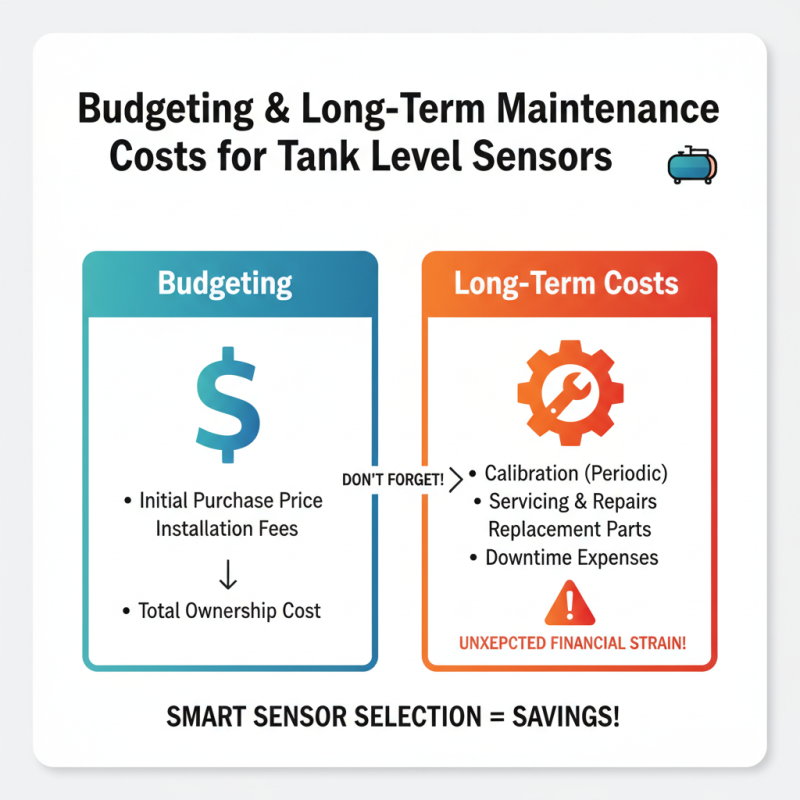
Radar sensors, on the other hand, are gaining momentum. They are unaffected by vapor, dust, or temperature variations, making them versatile for challenging environments. Their adoption is rising, representing about 25% of the market today. However, these sensors typically come with a higher price tag, which can pose budget concerns. Each type of sensor brings strengths and challenges. Decision-makers must weigh these factors, ensuring the chosen sensor meets specific operational needs.
Evaluating the Accuracy and Precision of Tank Level Sensors
When evaluating tank level sensors, accuracy and precision are paramount. An accurate sensor indicates the correct level of liquid within the tank. Precision, on the other hand, refers to the sensor's ability to give consistent readings over time. These two factors directly affect operations, ensuring safety and efficiency in various applications.
Consider how environmental factors might influence readings. Temperature changes and humidity can alter sensor performance. Regular calibration might be necessary to maintain reliability. It's advisable to check if the sensor tolerates such changes. This can lead to unexpected discrepancies in level readings, which may disrupt operations.
Investing in a reputable sensor can enhance accuracy and precision. Look for devices that undergo rigorous testing and certification. While price often reflects quality, ensure it meets your specific needs and conditions. This requires careful consideration of where and how the sensor will be used. Each installation site has unique challenges that might affect performance over time.
Top 5 Tips for Choosing the Right Tank Level Sensor
| Tip |
Description |
Accuracy (%) |
Precision (mm) |
Typical Cost ($) |
| Understand Your Application |
Assess the liquid type, temperature, and pressure conditions. |
±0.5 |
±2 |
200 |
| Evaluate Sensor Type |
Choose between ultrasonic, capacitive, or radar sensors based on requirements. |
±1 |
±3 |
150 |
| Consider Installation Requirements |
Review the installation space and accessibility for maintenance. |
±0.3 |
±1.5 |
250 |
| Check Operating Range |
Ensure the sensor can operate within the required level range. |
±0.2 |
±1 |
180 |
| Evaluate Calibration and Maintenance Needs |
Assess frequency and ease of sensor calibration and maintenance. |
±0.1 |
±0.5 |
220 |
Assessing Compatibility with Existing Systems and Applications
Choosing a tank level sensor is not just about technology; it's about compatibility. Your sensor must seamlessly integrate with your existing systems. Consider the communication protocols in use. Can the new sensor align with them? Understanding how your current setup operates is crucial.
Evaluate the tank's application as well. Different environments
require distinct sensing technologies. A sensor for a water tank may not be suitable for chemicals. Think about the materials involved, too. Some sensors may not withstand harsh conditions. A less than ideal match could lead to premature failure, affecting overall reliability.
Finally, consider scalability. Will the sensor adapt to future changes? Your current needs might shift. Assessing long-term compatibility can save time and resources later. It's easy to overlook these aspects, but they are foundational to successful implementation. Without careful consideration, you risk investing in a solution that won't last.
Top 5 Tips for Choosing the Right Tank Level Sensor
Considering Environmental Factors and Sensor Durability
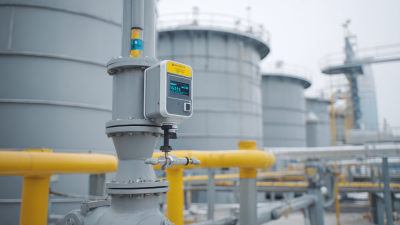
When selecting a tank level sensor, considering environmental factors is crucial. Different environments pose unique challenges that impact sensor performance. For instance, fluctuating temperatures can affect the sensor's accuracy. Additionally, corrosive or pressurized environments can shorten a sensor's lifespan. Understanding these conditions will help you make an informed choice, enhancing the reliability of your measurements.
Durability is another critical consideration. Sensors exposed to harsh conditions must be robust. Look for options with protective coatings or materials designed to withstand extreme temperatures and pressures. It’s essential to assess how these features align with your specific application. Ask questions about longevity and maintenance demands to ensure you select a durable sensor.
When choosing a tank level sensor, think about installation requirements. Some sensors are easier to install than others, which can save both time and costs. Research sensors with straightforward setups, as they can reduce potential errors. Take your time to reflect on each option. Finding the best tank level sensor for your setup is an investment in efficiency and accuracy.