Blog

What Is a HIFEM Slimming Machine and How Does It Work?

A HIFEM Slimming Machine uses high-intensity focused electromagnetic energy to trigger strong muscle contractions. During a session, applicators sit against the treatment area while the device delivers timed electromagnetic pulses. The muscles contract repeatedly, often more intensely than during an ordinary voluntary workout. That is the basic idea. The treatment is designed for body contouring, not general weight loss.

Plastic surgeon Dr. Brian Kinney has coauthored clinical research on HIFEM-based body contouring. A cautious paraphrase of the clinical perspective reflected in this research is that HIFEM may change local muscle and body measurements, but it should not be treated as a weight-loss shortcut. Published findings are useful, yet study design, treatment protocols, and individual responses differ. Results vary.

A realistic introduction should also describe the experience and limits. A person may feel firm, repeated contractions beneath the applicator, followed by temporary muscle soreness. Visible changes, when they occur, develop over time and are not guaranteed. The device does not replace regular activity, balanced nutrition, or medical care. Prospective users should review the device’s instructions and discuss their health history with a qualified clinician, especially if they have implanted electronic devices or other relevant medical conditions. Understanding the mechanism is helpful; asking what evidence applies to a specific device is just as important.
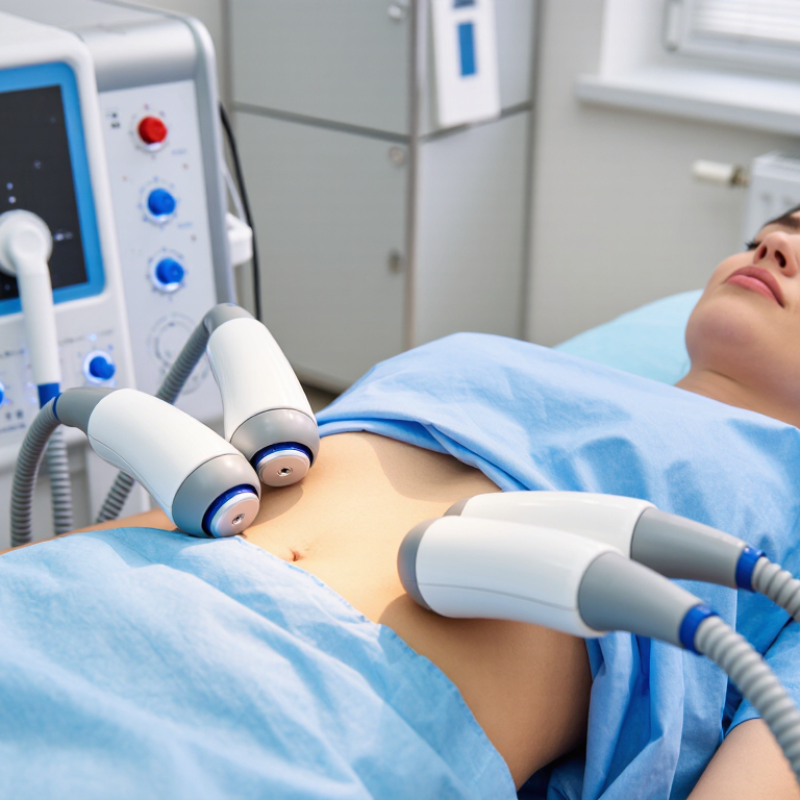
What Is a HIFEM Slimming Machine and How Does It Work?

What a HIFEM Slimming Machine Is

A HIFEM slimming machine is a noninvasive body-contouring device that uses high-intensity focused electromagnetic energy. An applicator rests against the skin, often over the abdomen or buttocks. Its changing magnetic field induces electrical currents in nearby motor nerves, prompting muscles to contract. The person stays still while the muscles tighten repeatedly. No incision is made.

These contractions are sometimes called supramaximal because they can exceed the effort a person voluntarily produces. They are not a substitute for exercise, and the device does not directly “melt” fat. A small clinical study published in Lasers in Surgery and Medicine in 2019 examined 22 participants after four HIFEM sessions. At three months, MRI measurements reported average increases in abdominal muscle thickness of 15.4% and decreases in subcutaneous fat thickness of 18.6%. That is a study result, not a promise. The sample was small, and outcomes may differ by device, treatment area, and individual.

The term “slimming machine” can be misleading. HIFEM is generally intended for localized contouring, not overall weight loss or treatment of obesity. A qualified clinician should review medical history, skin and muscle concerns, and realistic goals before treatment. Ask what technology the device uses and what evidence supports its specific protocol. Details matter. And the evidence is still developing.

The Electromagnetic Technology Behind HIFEM

What Is a HIFEM Slimming Machine and How Does It Work?
The Electromagnetic Technology Behind HIFEM

HIFEM stands for high-intensity focused electromagnetic technology. A treatment applicator rests against the skin, delivering a changing magnetic field into the targeted area. This field induces electrical currents in motor nerves, triggering repeated involuntary muscle contractions. The skin is not cut, and the muscle work is generated by the device rather than voluntary exercise. That distinction matters.

A 2019 MRI study by Kinney and Lozanova, published in Lasers in Surgery and Medicine, reported average changes of 15.4% in muscle thickness and 18.6% in subcutaneous fat thickness after treatment. These figures came from a small clinical study, not a promise for every user. Results can vary with body composition, treatment settings, and measurement timing. The evidence is promising, but not tidy; longer follow-up and larger studies would help clarify lasting effects.

Tips: Ask which area the applicator will treat and how your progress will be measured. Tell the clinician about relevant health conditions before treatment. A strong contraction can feel unusual, but treatment should not be treated as a substitute for exercise, nutrition, or medical care.

How a HIFEM Treatment Session Works

A HIFEM slimming machine uses high-intensity focused electromagnetic energy to stimulate powerful muscle contractions. These contractions are stronger than most voluntary exercises. During treatment, the applicator rests against the abdomen, buttocks, arms, or thighs. A typical session lasts about 20 to 30 minutes.

How a HIFEM Treatment Session Works

A practitioner checks your medical history and measures the treatment area before starting. You remain fully clothed while the applicator delivers repeated electromagnetic pulses. The sensation usually feels like intense muscle tightening, followed by relaxation. The intensity rises gradually. This helps your body adjust and improves comfort.

Clinical reports describe temporary muscle soreness as a common response. A 2023 review of noninvasive body-contouring studies found that protocols often included four sessions over several weeks. Reported results varied widely, with improvements depending on muscle condition, diet, and measurement methods. The American Society of Plastic Surgeons’ 2023 statistics report recorded more than five million minimally invasive cosmetic procedures, showing strong consumer interest in non-surgical options. However, that figure does not measure HIFEM outcomes specifically.

Tips: Avoid a heavy meal before treatment. Wear comfortable clothing. Tell the practitioner about implants, pregnancy, or medical conditions. Hydrate afterward, but do not expect instant fat loss. Some results appear gradually. That part is easy to underestimate. Independent clinical assessment remains important because study quality and treatment devices differ.

How Muscles Respond to HIFEM Stimulation

A HIFEM slimming machine uses focused electromagnetic energy to stimulate motor nerves beneath the skin. The resulting contractions can feel like rapid, repeated muscle tightening. They are stronger and more frequent than most voluntary exercises. That intensity is why HIFEM attracts interest in body contouring. During a session, the abdomen or buttocks may visibly contract in waves. Muscles respond by recruiting more fibers than a person can usually activate consciously. Energy demand rises as the fibers work. Some research suggests this may support muscle conditioning and changes in local fat thickness, but results vary. It is not a replacement for nutrition, movement, or medical care.

With repeated stimulation, muscle tissue may adapt through remodeling and improved neuromuscular coordination. In practical terms, a client may notice firmer contractions before seeing visible contour changes. Recovery can include temporary soreness, similar to an unfamiliar workout. This is not always comfortable. Qualified practitioners should review medical history, treatment goals, and device settings before use. People with certain implanted electronic devices, pregnancy, seizure disorders, or other contraindications may need to avoid treatment. Published findings are promising, yet study sizes and treatment protocols differ. That makes confident claims difficult. A careful assessment matters more than dramatic before-and-after images. HIFEM may support a contouring plan, but it cannot replace consistent lifestyle habits.

Common Uses and Key Safety Considerations

A HIFEM slimming machine uses high-intensity focused electromagnetic energy to trigger repeated muscle contractions. These contractions feel like rapid tightening beneath the skin. The treatment is commonly used for the abdomen, buttocks, arms, and thighs. It may support muscle definition and body contouring, but it is not a replacement for weight management or exercise.

Demand for non-surgical aesthetic treatments continues to grow. The 2022 ISAPS Global Survey recorded 18.86 million non-surgical procedures worldwide. However, that figure does not measure HIFEM treatments specifically. Clinical studies report temporary improvements in muscle thickness and local fat reduction, yet results vary by device settings, treatment area, and patient condition. Evidence is promising, but still not perfect.

Safety requires careful screening. People with pacemakers, implanted electronic devices, certain metal implants, or pregnancy should avoid treatment unless a qualified clinician confirms safety. Possible short-term effects include muscle soreness, cramps, redness, and fatigue. A trained provider should review medical history, inspect the treatment area, and follow the device’s authorized instructions. The U.S. Food and Drug Administration advises consumers to verify clearance claims rather than trust advertising alone. That matters. More sessions do not always mean better results, and discomfort should never be treated as proof of effectiveness.

FrenchBulgaria