Top 2025 Digital Data Logger Features: What You Must Know!
In the ever-evolving landscape of data monitoring and collection, the role of the digital data logger has emerged as indispensable for various industries, ranging from pharmaceuticals to agriculture. According to a recent report by MarketsandMarkets, the global data logger market is expected to grow significantly, reaching nearly $3.5 billion by 2025. This growth is driven by the increasing demand for accurate data tracking and regulatory compliance in sectors like food safety and environmental monitoring.
Digital data loggers serve as critical tools that enable continuous measurement and recording of environmental conditions such as temperature, humidity, and pressure. As industries strive for enhanced efficiency and reliability, features of digital data loggers have advanced to include wireless connectivity, cloud integration, and real-time data analytics. A report from Allied Market Research predicts that the integration of IoT technologies into data loggers will be a pivotal trend, enhancing the capabilities of organizations to monitor their operations seamlessly.
Understanding the essential features of digital data loggers becomes crucial for businesses looking to leverage technology for improved data management. As we delve into the top digital data logger features anticipated for 2025, it is vital to consider how these advancements will not only optimize data accuracy but also ensure compliance with industry standards, ultimately leading to smarter decision-making and operational success.
Key Features of Digital Data Loggers in 2025
As we look towards 2025, the digital data logger industry is witnessing rapid innovations that enhance monitoring and data collection across various fields. One of the most crucial features to note is the increasing integration of IoT (Internet of Things) capabilities. According to a report by MarketsandMarkets, the IoT-enabled data loggers market is projected to reach $2.3 billion by 2025, reflecting heightened demand for real-time data acquisition and remote monitoring solutions. This feature allows users to collect data continuously, improving operational efficiency and decision-making processes in environments such as agriculture, pharmaceuticals, and manufacturing.
Another significant advancement is the focus on data security and privacy. With the rise in cyber threats, manufacturers are prioritizing encryption and user authentication measures in data loggers. A Gatner report highlights that over 70% of organizations will prioritize security in their IoT deployments by 2025. This shift not only safeguards sensitive data but also fosters greater trust among users regarding data integrity and reliability. Enhanced user interfaces and easier integration with existing systems are also essential features, allowing users to seamlessly adopt digital data loggers without extensive training or extensive system overhauls. These advancements collectively pave the way for a more efficient, secure, and user-friendly data logging environment in the upcoming years.
Top 2025 Digital Data Logger Features: What You Must Know!
| Feature |
Description |
Importance |
Expected Trends |
| Wireless Connectivity |
Support for Wi-Fi, Bluetooth, and cellular connections |
High |
Increased remote monitoring applications |
| Data Visualization |
Interactive dashboards and real-time graphs |
Medium |
Greater emphasis on data aesthetics |
| Multi-Channel Support |
Ability to log data from multiple sensors simultaneously |
High |
Increased usage in complex environments |
| Cloud Storage |
Automatic backup of data to cloud services |
High |
Fostering greater data accessibility |
| User-Friendly Interfaces |
Simplified navigation and controls |
Medium |
Increased adoption by various user bases |
Understanding the Importance of Data Accuracy and Calibration
In the ever-evolving field of digital data logging, the significance of data accuracy and calibration cannot be overstated. According to a recent industry report from the International Society of Automation, inaccurate data can lead to costly errors in operational decisions, affecting everything from production efficiency to regulatory compliance. Proper calibration of data logging devices ensures that the data recorded reflects true conditions, thus enabling companies to maintain quality standards and operational effectiveness. With accuracy rates below 95% potentially costing industries millions, investing in calibration becomes not just a technical requirement but a financial necessity.
When selecting a digital data logger, it is crucial to look for features that enhance calibration reliability. Make sure the device supports comprehensive auto-calibration and offers traceability to national standards. This not only streamlines your compliance processes but also assures stakeholders of the integrity of your data. Moreover, regular calibration checks and adherence to ISO 17025 standards can significantly improve the credibility of the data collected over time.
Tips: Regular training for your team on the importance of calibration can foster a culture of quality assurance. Additionally, consider implementing a scheduled maintenance program to routinely review and calibrate your data loggers, thus minimizing downtime and ensuring continuous accuracy in your measurements. Remember, investing in precise data logging now can save substantial costs and improve overall operational efficiency in the long run.
Integration Capabilities with IoT and Other Technologies
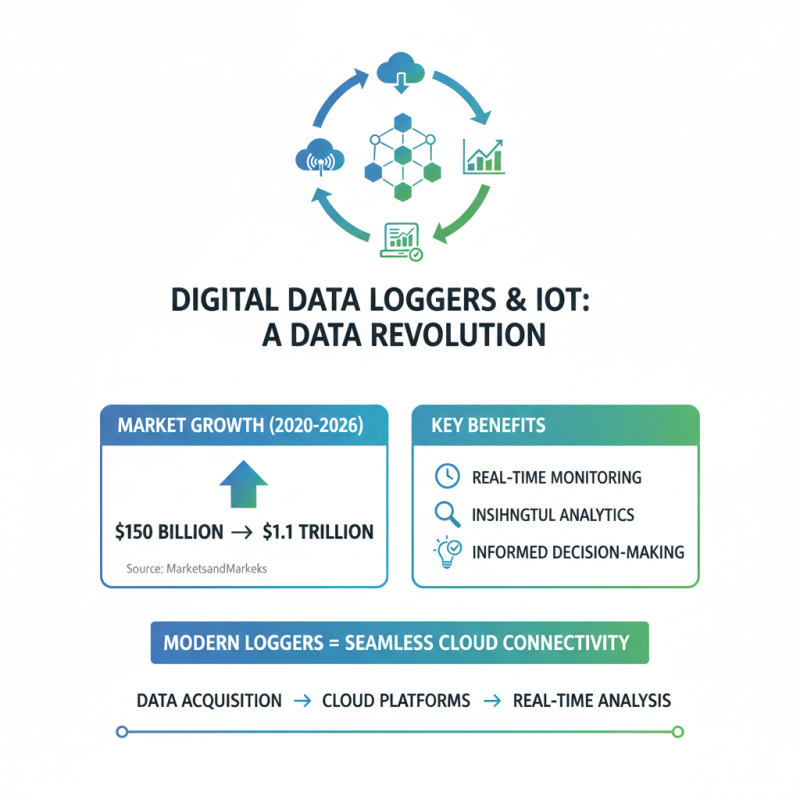
The integration capabilities of digital data loggers with IoT and other technologies are transforming how industries manage and analyze data. As per a report by MarketsandMarkets, the IoT market is projected to grow from $150 billion in 2020 to $1.1 trillion by 2026, reflecting an increasing demand for interconnected devices that require precision data acquisition. Modern digital data loggers have begun to incorporate advanced IoT protocols, allowing seamless communication with cloud platforms for real-time monitoring and analysis. This connectivity not only enhances the efficiency of data collection but also provides insightful analytics that can lead to informed decision-making.
Moreover, the ability of digital data loggers to integrate with other technologies, such as machine learning and artificial intelligence, is further enhancing their utility across various sectors. According to a report by Allied Market Research, the global data logging market is expected to reach $2.5 billion by 2025, driven by advancements in automation and increased reliance on predictive maintenance. This illustrates the growing importance of interoperability among devices and systems. Integration with smart sensors and analytics tools enables organizations to automate data collection processes, resulting in significant improvements in operational efficiency and reliability. As industries continue to embrace these innovations, the future of digital data loggers is set to be more interconnected, intelligent, and responsive to market needs.
User Interface and Software Usability Enhancements
The user interface (UI) and software usability of digital data loggers are rapidly evolving, ensuring that users can easily navigate complex data sets. According to a recent industry report by MarketsandMarkets, more than 50% of users prioritize software usability when selecting data logging equipment. Enhanced graphical interfaces, customized dashboards, and intuitive controls are becoming standard features that facilitate better data interpretation and operational efficiency. As a result, users can save valuable time, allowing for quicker decision-making processes.
In addition to improved UI, data logging software now often integrates advanced analytics tools that allow users to visualize data trends effectively. The incorporation of real-time data processing and cloud storage is reshaping how users interact with logged information, enabling seamless data access from multiple devices. A 2023 survey by TechSci Research indicates that 70% of data logger users prefer software that supports mobile access, underlining the importance of flexibility in today’s fast-paced environment.
Tips: When selecting a digital data logger, prioritize a user-friendly interface that suits your specific operational needs. Ensure that the software allows for easy customization and offers responsive customer support. Finally, look for solutions that enable real-time data visualization to enhance your data analysis capabilities, making it easier to draw valuable insights and act swiftly.
Future Trends in Data Logger Technology and Functionality
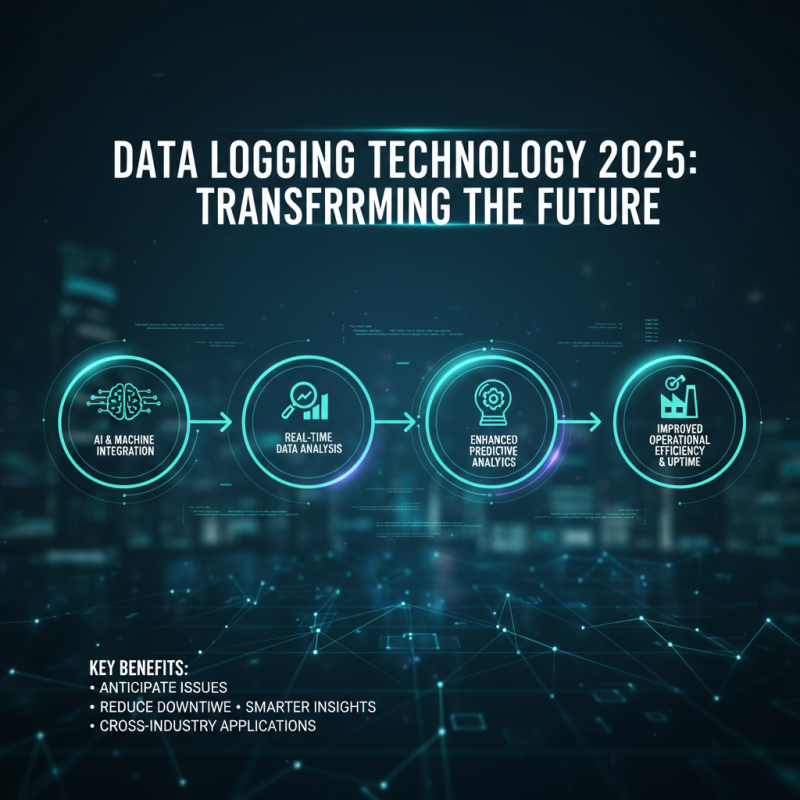
As we look toward the future of data logging technology in 2025, several transformative trends are emerging that will redefine functionality and user experience. One significant trend is the integration of artificial intelligence and machine learning into data loggers. These technologies will enable devices to not only collect data but also analyze it in real-time, providing insights that were previously unimaginable. Enhanced predictive analytics will allow users to anticipate issues before they arise, thereby improving operational efficiency and reducing downtime across various industries.
Another noteworthy advancement is the increasing emphasis on connectivity and interoperability. The rise of the Internet of Things (IoT) is driving data loggers to become more interoperable with other devices and systems, creating seamless data ecosystems. This shift will facilitate greater data sharing and collaboration, allowing users to access and analyze information from multiple sources in a unified manner. Furthermore, advancements in wireless communication technologies like 5G will enhance data transmission speeds, ensuring that data loggers can relay information quickly and reliably even in remote environments.
Additionally, the focus on sustainability and energy efficiency is likely to shape the design and functionalities of future data loggers. Manufacturers are exploring new materials and technologies that reduce power consumption and prolong device lifespan, ultimately leading to more environmentally friendly solutions. As data loggers evolve, their ability to adapt to diverse applications will expand, making them essential tools across industries ranging from healthcare to environmental monitoring.